Yorgos Lanthimos’ film dismantles the language of sustainability

The kidnapping of a CEO (Emma Stone) becomes a criticism of the present: Yorgos Lanthimos’ film Bugonia is a black satire that puts “green words” under pressure and asks for verifiable numbers on cuts and impacts
Bugonia by Yorgos Lanthimos: the film with Emma Stone that dismantles the language of sustainability
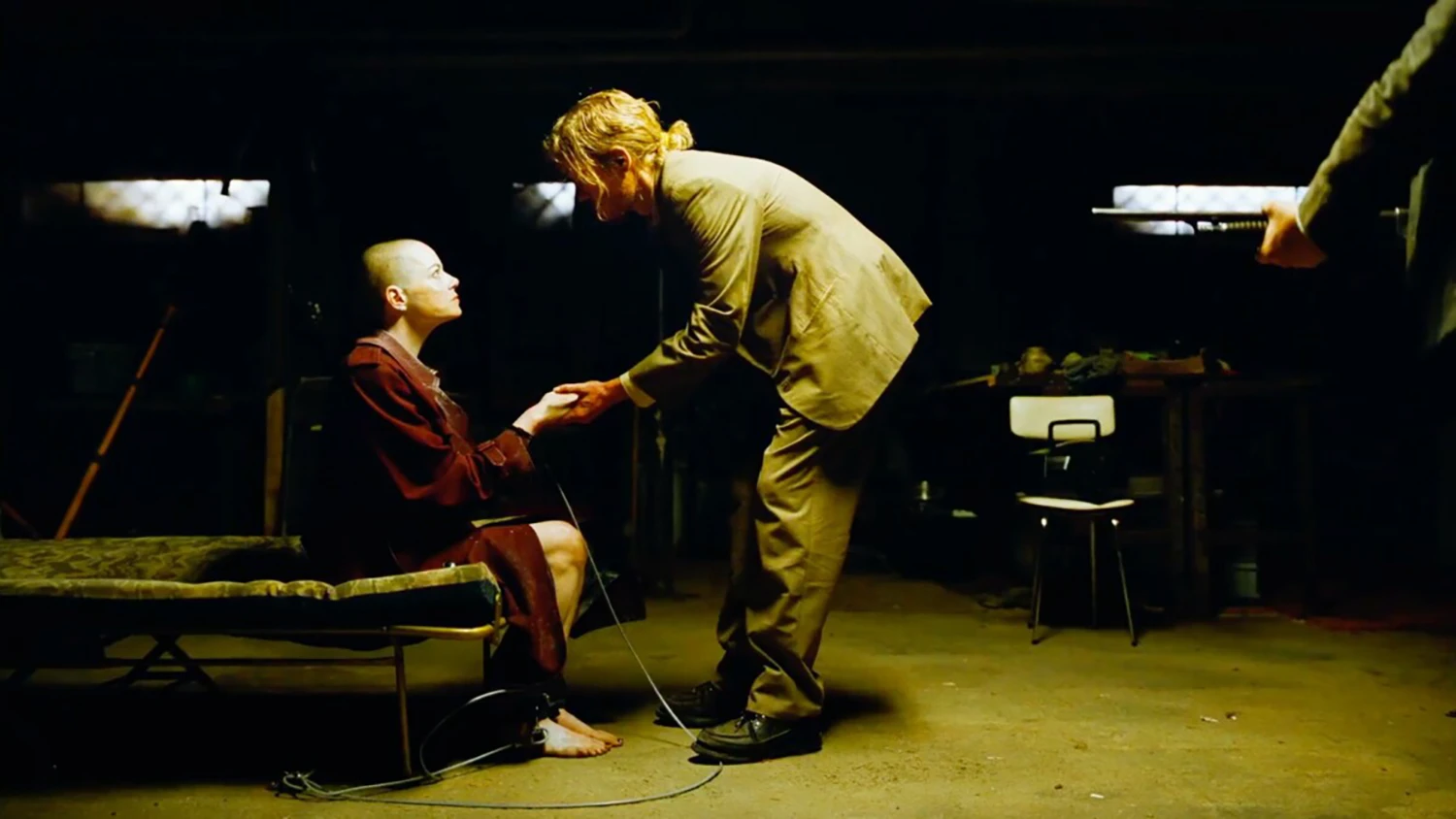
Together with an accomplice, a beekeeper obsessed with conspiracy theories kidnaps the CEO of a company. He believes it is an alien intent on destroying the planet. He locks her in a basement, films her, pressures her, forces her to speak without the classic meeting room backdrop. Grotesque action, clear objective: exposing the language of sustainability when it becomes a shield.
Bugonia by Yorgos Lanthimos does not discuss the climate urgency: he takes it for granted and shifts the focus to the credibility of those who tell it. It is a film that is more news than moral, because it measures how well words already smoothed by use hold up – net zero, carbon neutralregeneration – when evidence and accounting are lacking.
The myth of Bugonia and rebirth as sacrifice: the plot of Bugonia with Emma Stone and Jesse Plemons
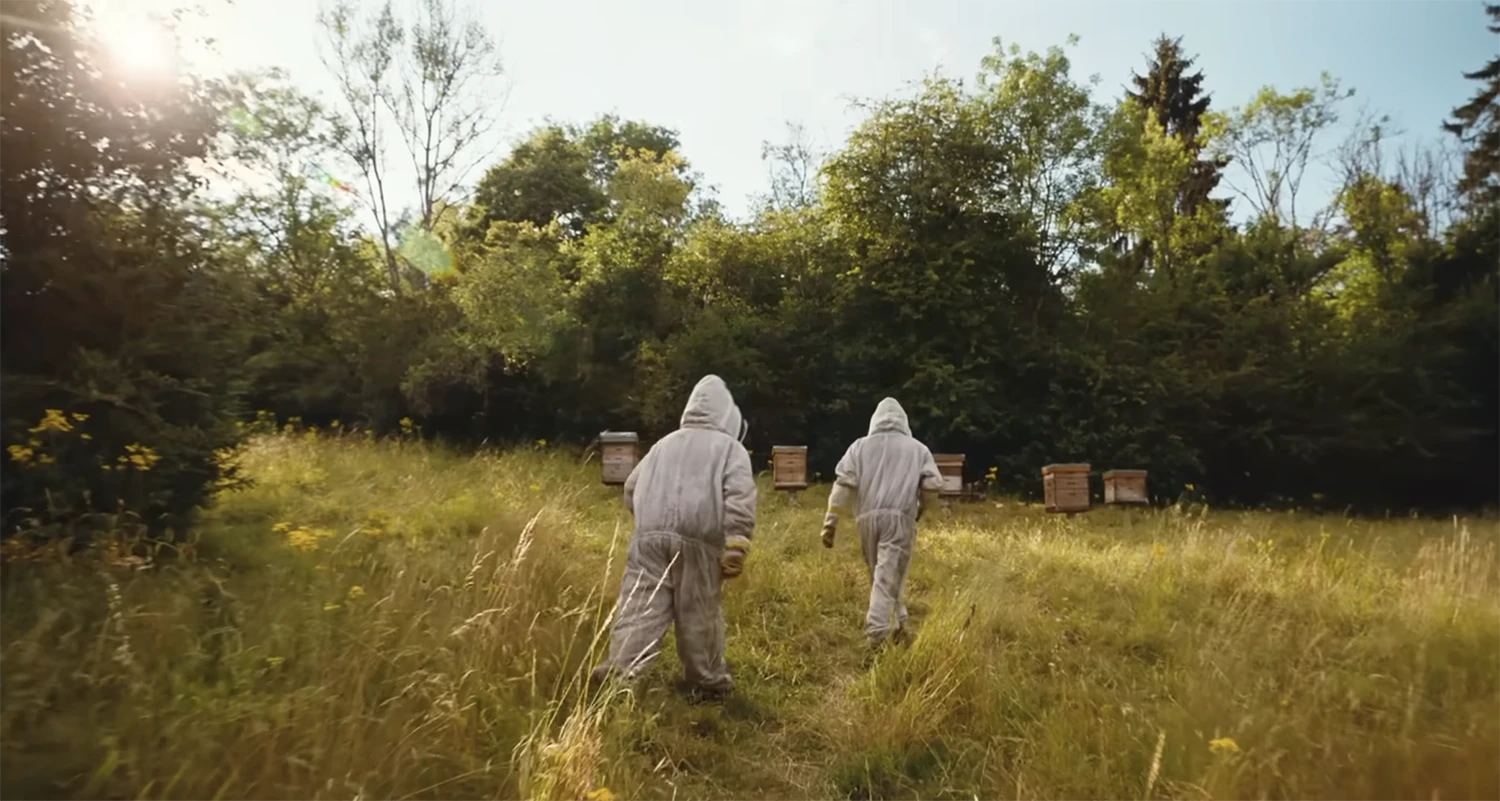
In ancient traditions and in the fourth of GeorgicsVirgil talks about Bugonia: the belief that new bees can be generated from a bovine carcass. A rebirth that presupposes a sacrifice. Regenerate by killing. Lanthimos uses this image to ask where, today, we hide the carcass.
How many corporate “regenerations” promise new life by shifting costs to habitats, species and work? The metaphor is simple and crude: the bee is shown, the ox is removed. The film keeps that body off-screen but makes it felt: in space, in gestures, in discomfort – because that is where we pay the price for the reassuring story we tell ourselves.
Green language and control of words: sustainability on trial in Bugonia
The heart of the film is a quality control over the words. Circular does not mean announcing future reuses; it means tracking flows, losses, waste, and verifiably connecting the beginning with the end. Let’s call it neutrality only if the starting data are public, the cuts are absolute and the compensations have a precise limit.
“Regeneration” is valid if it implies renunciation, not cosmetic: less consumption upstream, less waste downstream. Bugonia it does what communication often doesn’t do: bring the discussion back to an operational grammar with data, stages, budget, responsibilities.

The shaving scene: apparent purification and criticism of greenwashing according to Lanthimos
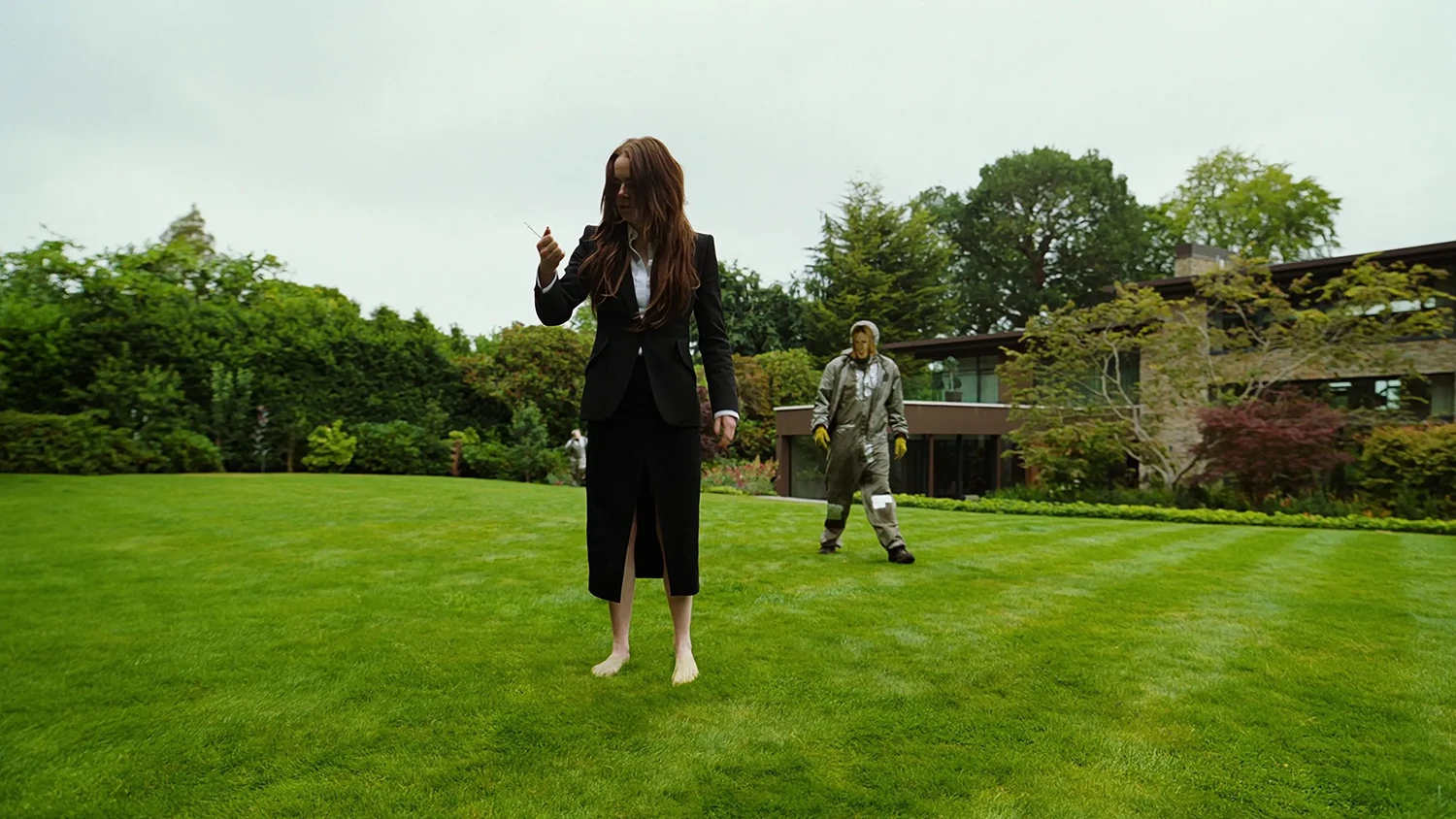
There is a threshold scene that condenses the film’s method: the shaving of the CEO (played by Emma Stone). It is a clear, almost liturgical gesture that overturns the idea of purification. Removing the hair does not take away the damage. The image can change in an afternoon; a supply chain changes over years, between energy protocols, supply contracts, frictions and costs.
The sequence is disturbing because it unmasks the aesthetic shortcut: when the “conversion” becomes spectacle, the responsibility remains intact. The film remembers him without proclamations, with a cut that seems surgical precisely because it does not explain. Show.
The Bugonia basement: material, maintenance and real environmental impact
The kidnapping basement smells of plastic and dust. Neon shaking, ropes, tape, marker writing, repaired objects. It is the opposite of the frosted glass of the headquarter. This visual friction is not a quirk: it is a method to bring sustainability back to its natural place, that of matter.
The reality of the impact lies in the energy consumed, the water withdrawn, the waste produced, the waterproofed soil. It is rough that forces us to see maintenance where marketing prefers a glossy showcase. It is the film that reminds us that credibility comes from friction, not from effect.

Bees, biodiversity and industry: what Bugonia by Yorgos Lanthimos says beyond the metaphor
Bees, off the screen, have become a perfect icon: gentle, communicable, seductive. It’s also an easy screen. The film suggests changing levels: fewer holy cards, more indicators. Habitat continuity, pesticide pressure, water quality, land use, ecological corridors, flowering cycles, pollinator mortality.
Without this minimal grammar, “biodiversity” remains a conference word; with indicators it becomes industrial policy and translates into measurable, verifiable choices; conflict when necessary.
Governance and trust: how Bugonia reveals the power behind corporate sustainability
The promise of “salvation” works as long as it remains generic. Bugonia brings everything back to faces and territories. Community is not a soft noun: it is a set of distributed costs and benefits. It is dignity and diversity that are not limited to inclusive language, but ask that rights and health are not trampled further down the chain. It is human frailty taken seriously: not spectacularized, not monetized. Satire becomes news when it forces us to ask where the effects of our “regenerative” choices end up over time.
The point is not the psychology of the manager, but the structure that supports her. Who decides the pace of reductions? Who assigns multi-year budgets? Who links top management bonuses to verified environmental results? Who accepts sanctions when targets are missed? Sustainability is not a department, it is a control table. Without a governance that puts measurement at the center – limits, maintenance, long time – the story remains ornamental. Human commitment, here, is measured by renunciation: a portion of margin given up in exchange for a portion of credibility.
Transparency and conspiracy: trust as an administrative infrastructure
Conspiracy theories do not arise in a vacuum: they proliferate where reality is not legible. When data is scarce, the timeline they slip, the graphs soften, distrust fills the field. The kidnapper is disturbing because he insists on that void: he transforms suspicion into method.
The answer is not to ridicule those who doubt, but to remove oxygen from doubt with clear reports, independent audits, respected calendars, responsibility with name and surname. Trust, Lanthimos seems to tell us, is not an emotion: it is an administrative infrastructure.
From Korean film to remake: Bugonia and the legacy of Save the Green Planet!
Compared to the 2003 Korean film from which Bugonia takes action (Save the Green Planet!directed by Jang Joon-hwan), the hyperbole remains but the center of gravity changes. From domestic paranoia we move on to a satire of governance.
Less narrative shock, more process control; less psychology, more systems. It is a change of scale consistent with the era: today the ecological transition is not a matter of custom, but a budget item. For this reason, satire stops entertaining the role of morality and chooses that of verification, with an irony that makes no concessions.
False circularity: when the green economy becomes make-up
The dream of the circular economy is powerful. It becomes a trap when the growth model remains intact and waste management is embellished. Recycling everything is a convenient tale; reducing upstream is effort, conflict, time. “Regenerate” is a noble verb if it includes the choice of limit: less volume, less planned obsolescence, less packagingfewer unnecessary kilometers. Otherwise the narrative always returns to the bee, and the ox disappears every time.
Forests, water and soil: Bugonia’s environmental off-screen The craftsmanship of the scene: ethics of making in Lanthimos’ cinema
The word “compensation” slips by quickly, especially when it promises remote forests. The reality is more stubborn: a forest grows or burns, changes ownership, is counted twice, loses the promised absorption over time. The water is removed here to be returned elsewhere, the soil is made waterproof for years. The film does not list sensational cases: it only indicates the existence of the off-screen, a geography of impact that too often coincides with social and geographical peripheries.
Underneath the satire runs a sober idea of beauty: that of repair. Not the shiny new object, but the one kept alive; not the digital that erases, but the manual skill that makes time visible. Makeup, prosthetics, constructed and non-simulated objects: everything speaks the language of concrete work. It is an aesthetic that has memory and is not afraid of the rough; a form that does not cover, but reveals; an invitation to consider maintenance as a cultural value, before a technical one.

Emma Stone and Jesse Plemons: power, language and silences
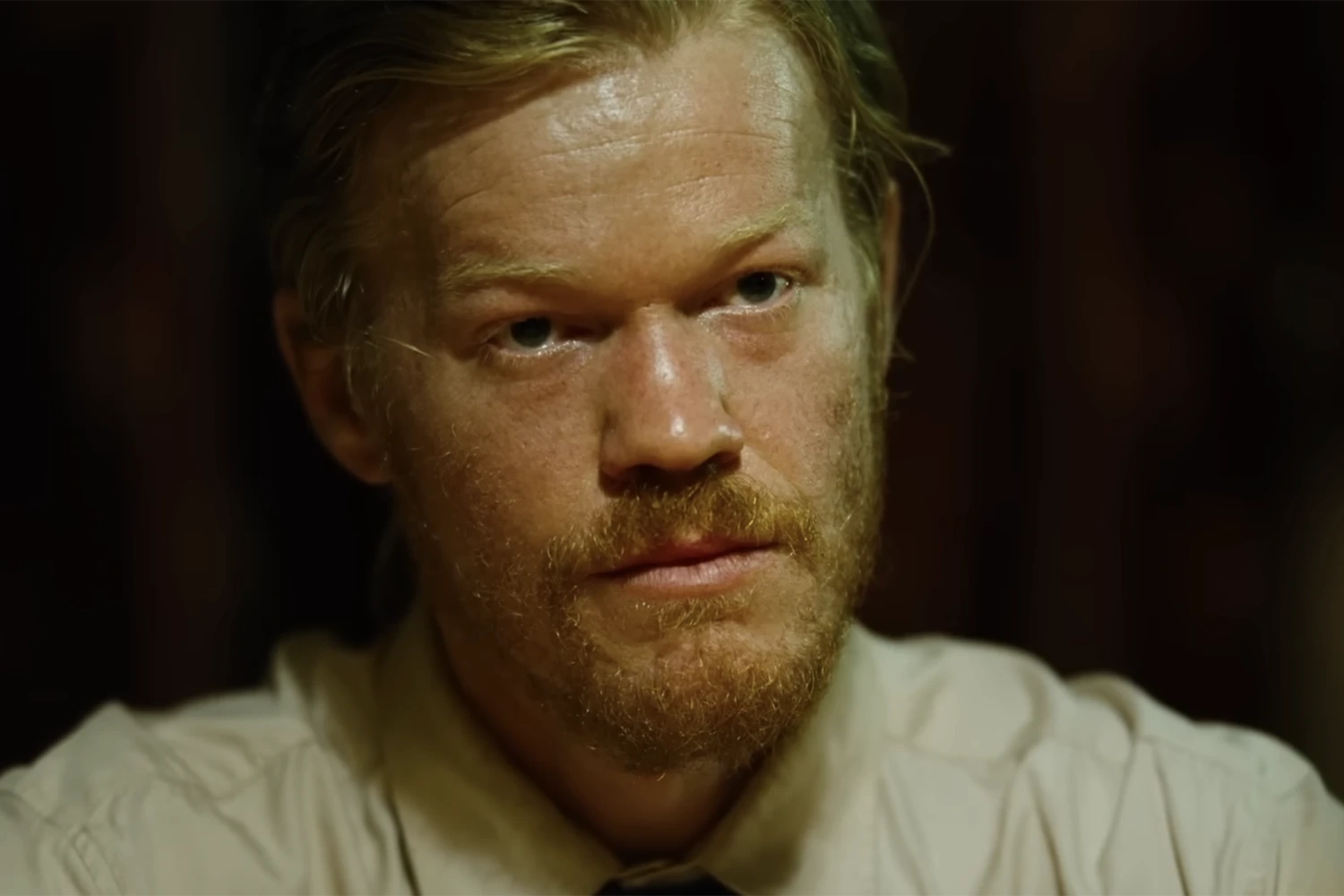
The CEO in Louboutin played by Emma Stone also communicates in silence: every pause seems like a statement that doesn’t go out. The man who holds her prisoner, embodied by Jesse Plemons, is not a pure monster: he is an inverted lens that demands accountability in an elementary and therefore threatening way.
Their comparison illuminates two ways of exercising power: one by language, the other by insistence. The direction avoids mannerism and works by subtraction; the photography doesn’t make up, the editing cuts dry, the music affects without overwriting. This is how we tackle a saturated topic: remove, not add.
After the closing credits: Bugonia as a lens on green communication
Once the screening is over, Bugonia remains useful if it becomes slow. At the next “green” presentation of a brand, at the next cultural partnership, at the next conference on “transition”, it is best to return to a few basic questions, posed discursively and calmly. What is the starting size? What cuts in absolute value did you obtain and where? How much of your footprint is in the supply chain and how do you measure it? How much compensation do you use, with what quality criteria and for how long is it guaranteed? What real budget have you allocated to reduce upstream and what responsibilities are triggered if you do not respect the timetable? These are not technicalities: they are minimum rights to read the present.

Measurement, maintenance and time: three words for concrete ethics
There is a simple compass that the film suggests without captions: measurement as a choice of limit, maintenance as a culture of the existing, time as a horizon that does not coincide with the communication campaign. They are plain, almost austere words, but they are the only ones capable of restoring credibility to a worn-out speech. In the room where rhetoric evaporates, these three remain: count, repair, wait. It is there that human commitment loses emphasis and takes shape.
Bugonia
Bugonia is the remake of Save the Green Planet! signed by Yorgos Lanthimos, with Emma Stone and Jesse Plemons; presented in competition at the 82nd Venice Film Festival on 28 August 2025, the film arrives in Italian cinemas on Thursday 23 October (duration 120 minutes).
Federico Jonathan Cusin

Hi! I’m Renato Lopes, an electric vehicle enthusiast and the creator of this blog dedicated to the future of clean, smart, and sustainable mobility. My mission is to share accurate information, honest reviews, and practical tips about electric cars—from new EV releases and battery innovations to charging solutions and green driving habits. Whether you’re an EV owner, a curious reader, or someone planning to make the switch, this space was made for you.



Post Comment