Jean-Pierre and Luc Dardenne: “The United States must be prevented at all costs from ending the European cultural exception”
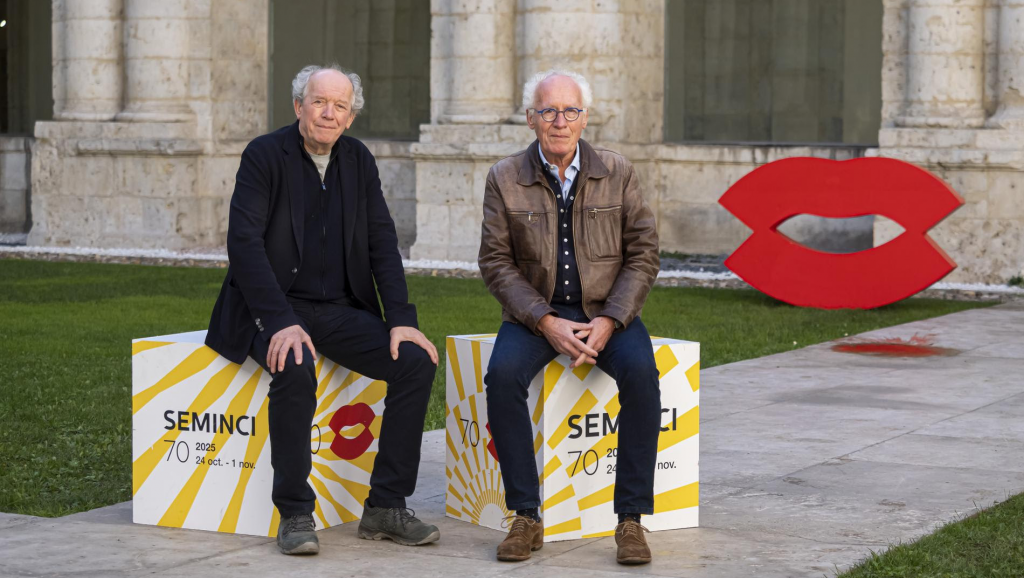
Jean-Pierre y Luc Dardenne have landed at the 70th SEMINCI to present the Spanish premiere of their most recent film, newbornscompeting in the Official Section. Well-known faces of the contest, the duo responsible for fundamental works of European cinema (Rosetta, The Son, The Boy with the Bicycle)returns to Valladolid after receiving the Golden Spike in 1996 for The promise.
Awarded the best screenplay award at the Cannes Film Festival, newborns follows five teenage mothers in a shelter in Liège, Belgium. Jessica, Perla, Ariane, Julie and Naïma face early motherhood from different realities, crossed by circumstances such as precariousness, abandonment, domestic violence or addictions. The Dardennes narrate these five stories in parallel, giving shape to a choral portrait in which the tender and luminous gaze on the characters stands out.
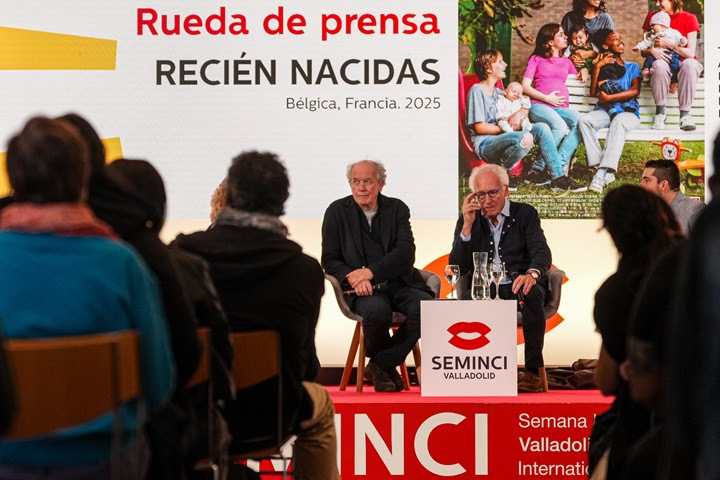
The future of social cinema
In their more than 30 years of experience, the Dardenne brothers have addressed, time and again, the social problems of contemporary Europe from the intimacy and humanism that characterizes them. With newborns They continue their defense of social cinema which, in the words of Luc Dardenne, today resists an uncertain future due to external threats: «It is a cinema that must continue to be made. But we have to be very vigilant right now. The United States must be prevented at all costs from putting an end to the cultural exception that exists in Europe and that allows each state to finance films made in its territory. The United States wants to make cinema another commodity, it has been its dream for a long time. Europe faces this and defends cinema as a work of art. And we have to maintain this.
Project origin
The idea of newborns It emerged when the masters of social cinema visited a maternity home in Liège, a place where they found a strong spirit of mutual help and sisterhood. «It all started with a script about a young mother who lived in a nursery school. We went to document to really know what was happening in that place. And when we met the educators, the psychologist, the director, the girls and their babies, we realized that what interested us was starting from their realities. “I think we fell in love with this maternity center and that led us to forget the script we had in the beginning,” commented Jean-Pierre Dardenne.
Furthermore, he highlighted that the support networks seen in the film are real: «The five stories are fictions. And fiction serves to provide possibilities to reality. That said, I can tell you that the interest, the attention, the deep patience that is seen on the part of the professionals in these centers is something real.

The meeting drew an arc between 16th century legal thought and contemporary cinematic representations, revealing how the fundamental question about humanity and the rights of indigenous peoples remains open. From Montesinos’ sermon to current films, the tension between domination and recognition, between imposition and respect for otherness, persists.
‘Thinking cinema in Seminci’ thus consolidates itself as a space for reflection and dialogue that invites us to look at the past, and the present, from the screen, to interrogate the power of cinema as a tool for critical thinking and cultural transformation.
Source of information and images: festival press release

Hi! I’m Renato Lopes, an electric vehicle enthusiast and the creator of this blog dedicated to the future of clean, smart, and sustainable mobility. My mission is to share accurate information, honest reviews, and practical tips about electric cars—from new EV releases and battery innovations to charging solutions and green driving habits. Whether you’re an EV owner, a curious reader, or someone planning to make the switch, this space was made for you.



Post Comment