Terror on Netflix invades emotions through the front door and leaves a trail of unrest
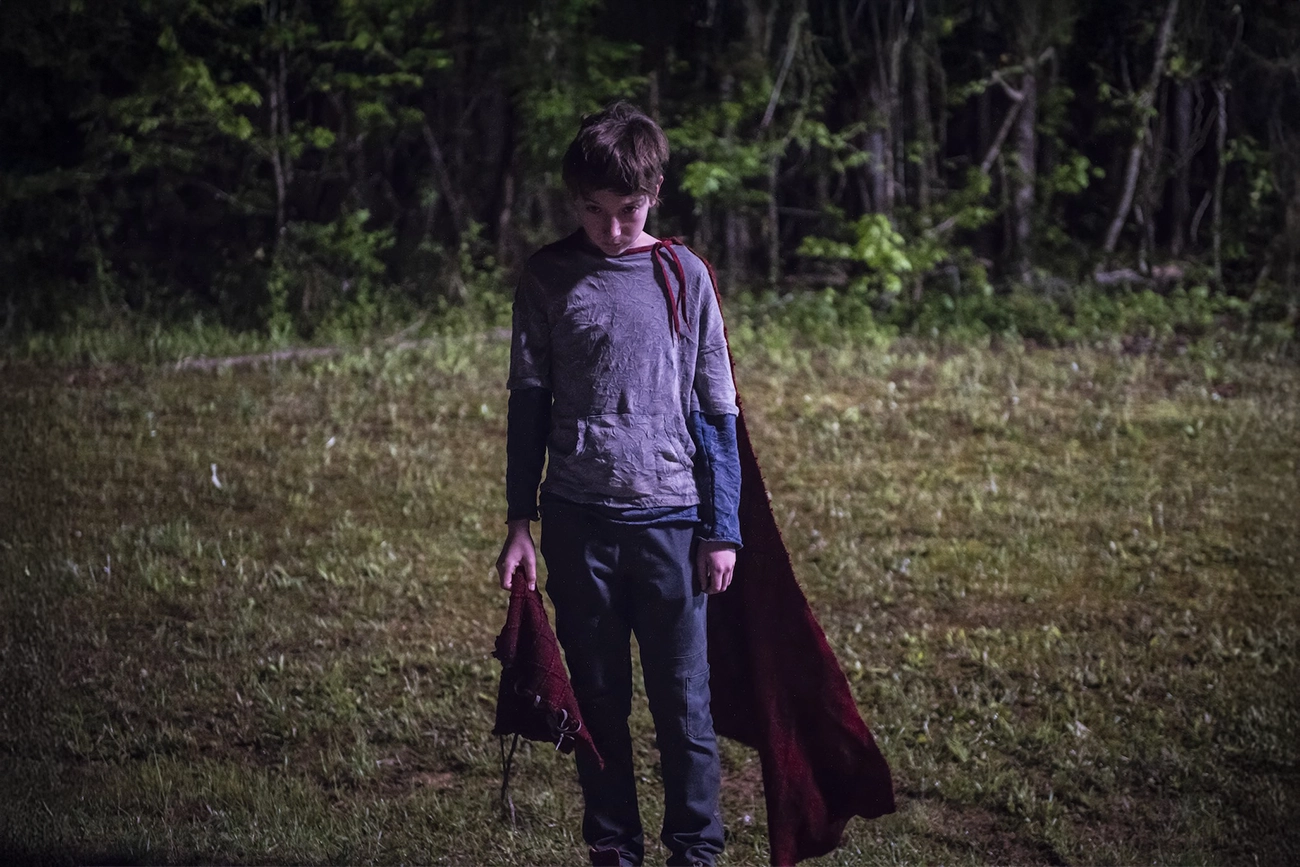
The universe of “Brightburn: Son of Darkness” provokes a curious sensation: that of following a well-known myth shattering before our eyes, as if someone had taken the archetype of the boy destined for salvation and inverted it with the coldness of someone bending a knife over metal itself. The story of Brandon, played by Jackson A. Dunn, is born precisely from this friction between fantasy and anguish, and perhaps that is why the film touches something instinctive. He’s not content to just flirt with terror; it prefers to feed the suspicion that every narrative of absolute power hides, deep down, a latent threat.
Tori, played by Elizabeth Banks, embodies this conflict in an almost painful way. The character spends years maintaining an unshakable faith in this son found on a strange fall night, as if motherhood was capable of taming any anomaly. The problem is that Brandon, as he goes through puberty, lets slip signs that his precocious intelligence functions more as a detachment than as a virtue. He realizes, before any adult, that the world has no way of containing him. This discovery is not celebrated; is converted into a trial of cruelty, first in small transgressions, then in acts of violence that dismantle the illusion of normality.
The film opts for a direct, unadorned progression: each event functions as another crack in the family bond. Kyle, played by David Denman, tries to see there as just a typical rebelliousness of his age, but his wavering posture betrays a growing fear. The father senses that the boy does not understand limits, much less empathy. And while Tori insists on revisiting old photos to recover some trace of the loving child, Brandon is already experiencing the feeling of absolute dominance, testing his skills with the indifference of someone watching, for the first time, the world fold in front of him.
The deaths, few but meticulously constructed, reinforce the idea that horror does not depend on grandiose fantasy, but on uncomfortable proximity. There is no gratuitous provocation; the film prefers violence that causes astonishment by contrast, as if to say that the greatest horror is not in the supernatural power itself, but in the total absence of moral restraints. Dunn embraces this emotional emptiness with a disturbing calm, turning Brandon into an antagonist who doesn’t need to scream to impose panic. The boy simply acts, and the silence that precedes his attacks is more cruel than any blast of force.
Instead of explaining his origin or building unnecessary mythology, the film focuses energy on the deterioration of the family relationship. This choice helps keep the plot lean and allows us to see the terror expand through everyday gestures. The school board, the neighborhood, the Breyer house itself: everything becomes a stage for tension. The central question is not where Brandon came from, but what to do with someone capable of destroying any attempt at affection. Tori tries to reach her son until the last moment, driven by a hope that borders on stubbornness. She has known his look since she was a baby, but she no longer recognizes the creature in front of her.
The most interesting provocation is in the way the film dismantles the Western expectation that power is synonymous with responsibility. Brandon rejects the hero’s logic from the first glimpse of superiority. He does not face moral dilemmas, he does not seek redemption. The narrative relies on this deliberate refusal of humanity and raises an uncomfortable question: what if human frailty is not a defect, but the only mechanism that prevents us from crossing the irrevocable line? Production does not respond; prefers to let the discomfort settle.
Closing offers no consolation, and this works in favor of the proposal. Around the rubble left by Brandon, there remains the feeling that the mythology of the savior can be easily subverted when any trace of empathy is removed. It is precisely this inversion that makes “Brightburn: Son of Darkness” so provocative. The story serves as a reminder that not every extraordinary figure is destined for heroism. And perhaps the restlessness left by the film is what keeps it so alive: the idea that the most devastating danger can grow inside one’s own home, smiling in a family photo.
Film:
Brightburn: Son of Darkness
Director:
David Yarovesky
Also:
2019
Gender:
Drama/Mystery/Horror
Assessment:
8/10
1
1
Helena Oliveira
★★★★★★★★★★

Hi! I’m Renato Lopes, an electric vehicle enthusiast and the creator of this blog dedicated to the future of clean, smart, and sustainable mobility. My mission is to share accurate information, honest reviews, and practical tips about electric cars—from new EV releases and battery innovations to charging solutions and green driving habits. Whether you’re an EV owner, a curious reader, or someone planning to make the switch, this space was made for you.


Post Comment