A Chevrolet Silverado EV WT 2026 is more than 1,700 km on a single load
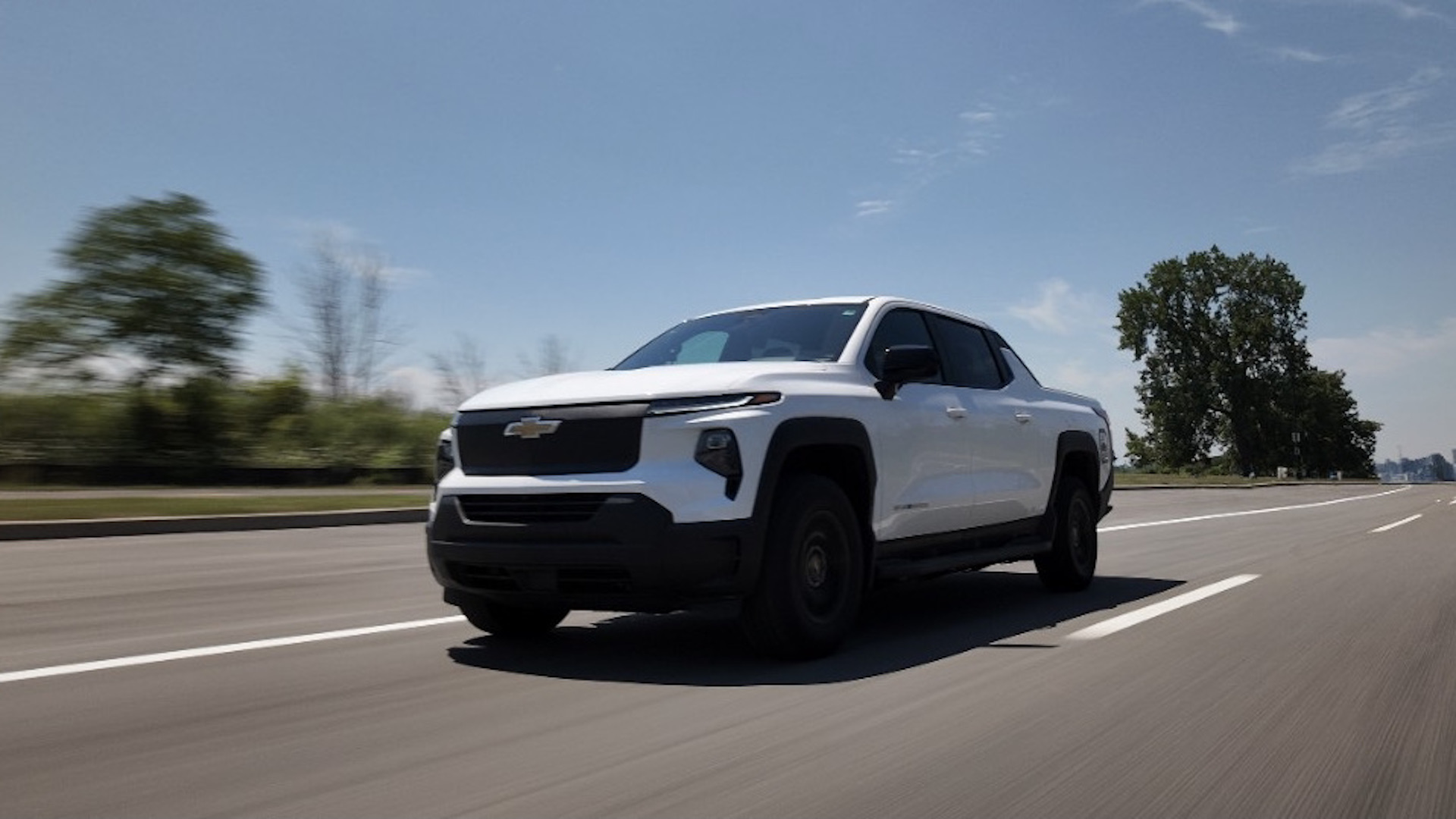
By driving more than 1,700 km, GM has just broken the long distance record on a single load with the Chevrolet Silverado EV WT 2026.
-
Engineers did not affect programming or mechanics
-
The tests were done under very specific conditions
-
GM technically beats the previous record of Lucid Motors with the air
At the wheel of a Chevrolet Silverado EV Max Range Work Truck 2026, GM engineers have just written a history page. While the EPA grants an official autonomy of 793 kilometers of autonomy (493 miles) to this version of the van, it traveled 1,705 kilometers (1,059.2 miles) on a single load. The whole thing was done as part of an autonomy test orchestrated by the engineering team of General Motors.
How far can we push the machine
It all started at the end of 2024, during an informal discussion between GM engineers: how far could the Silverado Work Truck if all the parameters were optimized to the maximum? The predictions were shot: 800 miles (1,287 km)? 900 (1,448 km)? Maybe even 1,000 (1,609 km)? The challenge was launched and it was going to be taken up.
“Obtaining such autonomy with a single load is not by chance,” explains Kurt Kelty, vice-president of batteries, propulsion and sustainable development. “This requires extensive integration between batteries chemistry, the efficiency of the powertrain, software and vehicle engineering – and that’s exactly what our team has delivered. This fulfillment illustrates how far our EV technology is rendered, and the kind of innovations that we implement every day at GM. »»
A “stock” truck and tests in real conditions, but optimized.
The adventure was carried out with a Silverado EV Max Range WT series model, led on public roads around the Milford Proving Ground, in southeast Michigan in the United States. The last segment was completed on Belle, in Detroit. In order to integrate this challenge at their daily schedule, the engineers led the vehicle by one hour tranches, taking advantage of their professional knowledge in a project to which they personally held. The test was therefore not continuously done from point A to B as is generally the case for this kind of test.
Being engineers, they knew exactly where to go to optimize the “external” components that they could handle without altering the vehicle. No hardware or software of the truck has been changed. The only adjustments focused on driving habits and certain settings allowed in the owner’s manual:
- Maintaining an average speed of 32 to 40 km/h (20 to 25 mi/h);
- Avoid sudden braking and fast accelerations;
- No passenger on board for most of the test;
- Wipers with the lowest position to reduce the aerodynamic drag;
- Tire pressure at the upper limit authorized to minimize rolling resistance;
- Withdrawal of the spare wheel to lighten the weight of the vehicle;
- Alignment of optimized wheels;
- Adding a cash cover to improve air flow;
- Air conditioning system disabled throughout the test;
- Summer conditions chosen to maximize the energy efficiency of batteries.
The objective was clear: to ensure that the maximum energy was dedicated only to propulsion.
Find the right rhythm
The engineers have established that the most effective speed range was between 32 to 40 km/h (20 and 25 mi/h), a realistic look for urban or residential driving in southeast Michigan. At this speed, the majority of the battery energy was used to advance the vehicle directly, with a minimum of losses.
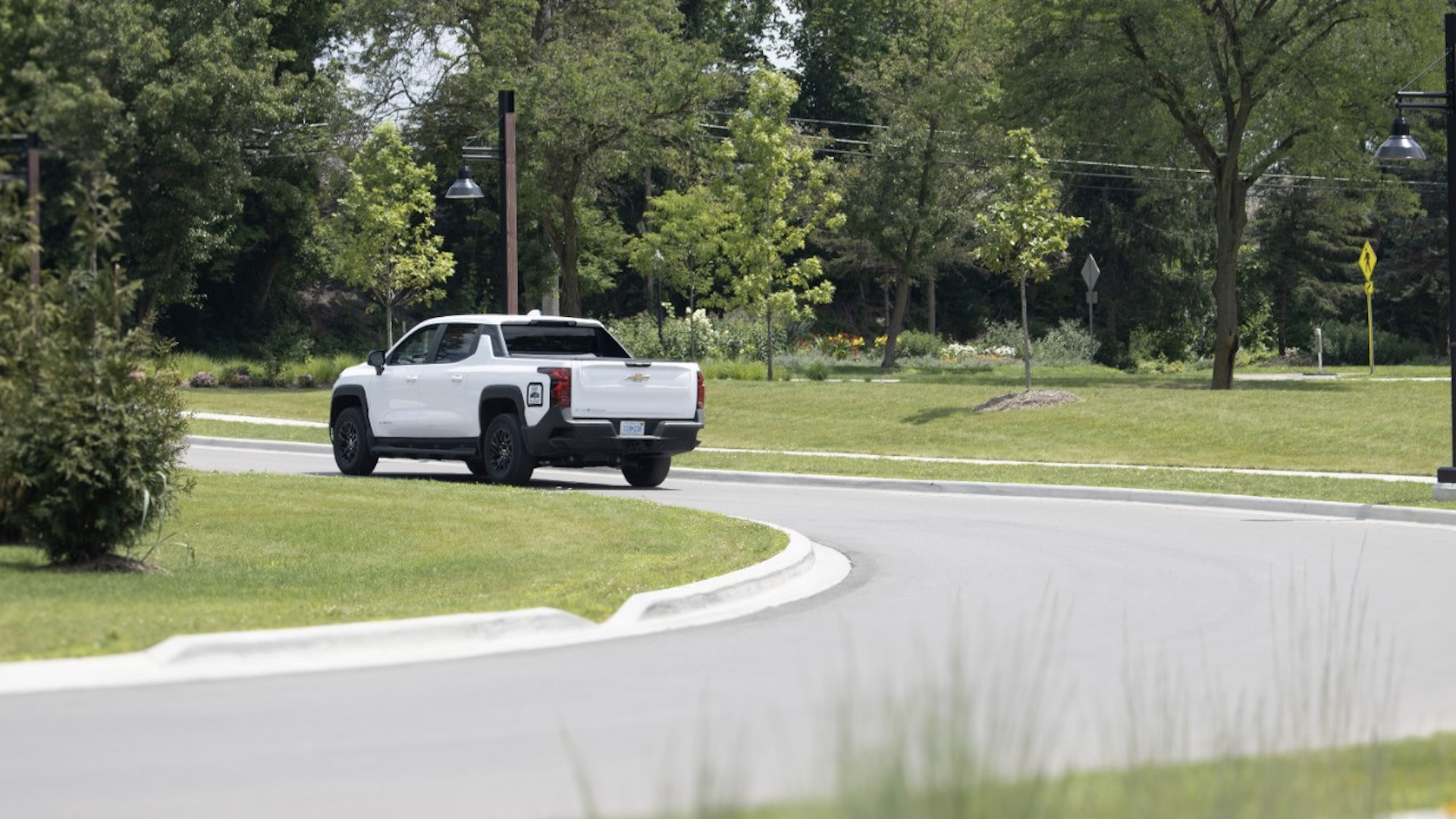
Over the hours spent behind the steering wheel, each kilometer traveled brought its share of data and lessons. For team members, it was not just a question of breaking a record, but of collecting concrete information, useful in their daily engineering work.
“If we had constantly rolled it, yes, the autonomy would have been dementia. But that was not the goal. We wanted it to be real, on public roads, ”summed up Jon Doremus, engineering manager for the calibration of propulsion. On the account, the average consumption of this test is established at 4.9 miles per kWh, which converts into 12.68 kWh/100km.
A recharge, a record, a trophy
This test was not the sole purpose of breaking a record: the engineers wanted to see how far they could go, and ended up even exceeding their 1,000 -mile target. To underline the event and illustrate the practical capacities for workers, the Silverado EV used for the test has been recharged … to supply a 3D printer which produced a trophy in honor of this feat.
Lucid Air sets a Guinness record with a 1,205 kilometers route on a single load
This result smashed the previous world record of 1,205 kilometers (749 miles), established earlier this summer by Lucid Motors with air.

Hi! I’m Renato Lopes, an electric vehicle enthusiast and the creator of this blog dedicated to the future of clean, smart, and sustainable mobility. My mission is to share accurate information, honest reviews, and practical tips about electric cars—from new EV releases and battery innovations to charging solutions and green driving habits. Whether you’re an EV owner, a curious reader, or someone planning to make the switch, this space was made for you.



Post Comment