Chloé Zhao, ‘Hamnet, a journey towards others beyond divisions’ – Cinema
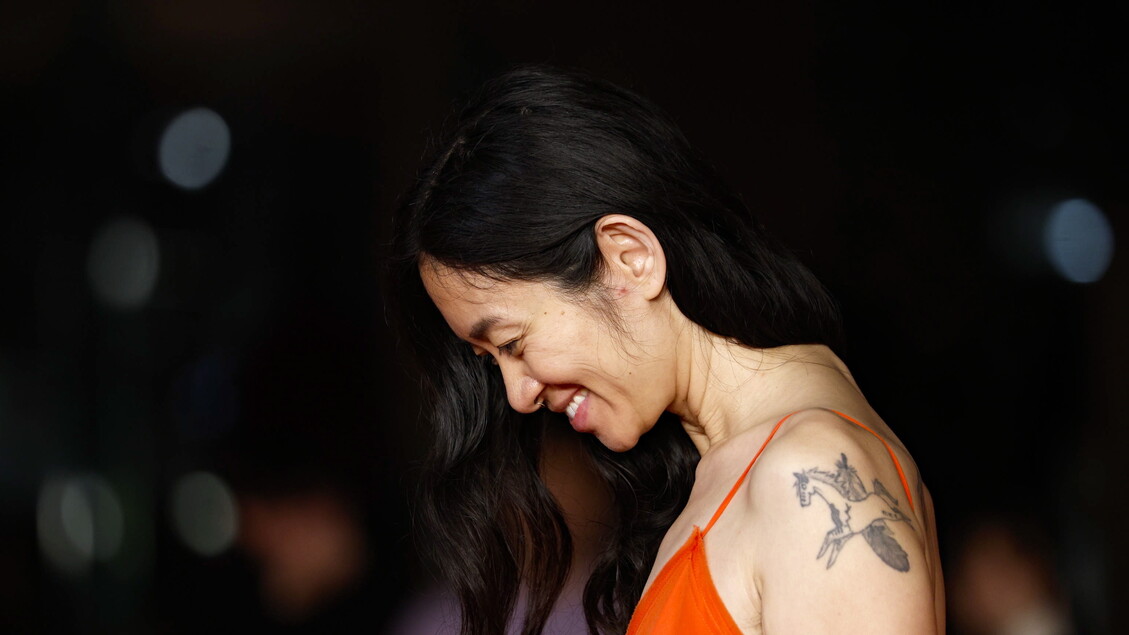
This is a film “that talks about pain, mourning but above all it talks about metamorphosis. It’s about the ability to rediscover the profound meaning of the most contrasting human experiences, and reach that unique inner place, which is in all of us, overcoming the illusion of separation from others”. The Oscar-winning director of Nomadland, Chloé Zhao, explains it at the Rome Film Festival to present the film that will most likely put her back in the front row for the statuette, Hamnet, with Paul Mescal and an amazing Jessie Buckley, already winner at the Toronto Film Festival and another half dozen international awards, in theaters from February 5th with Universal.
The film, co-produced by Steven Spielberg and Sam Mendes, brings to the big screen the award-winning 2020 bestseller of the same name (in Italy it is published by Guanda under the title In the Name of the Son: Hamnet) written by Maggie O’Farrell, here co-screenwriter with the director. The story is inspired by real elements, such as the death, at just 11 years old, of Hamnet, William Shakespeare’s only son (he also had two daughters, the eldest, Susanna and Hamnet’s twin, Judith). The book partly reworks the Bard’s personal story and imagines that the young William (Mescal), in Stratford-upon-Avon, meets and falls in love with Agnes (Jessie Buckley), a girl slightly older than him, solitary, a skilled falconer who lives a symbiotic relationship with nature. When the young woman becomes pregnant the two get married.
However, the ambitious William leaves, encouraged by Agnes, for London where he establishes himself as a playwright. Meanwhile the family remains in Stratford-upon-Avon where the rising playwright returns regularly. A few years later Susanna, Agnes and William have twins Hamnet and Judith, but the plague epidemic causes the child’s death. A loss that devastates the two parents and leads William to draw inspiration from that pain for his most famous work, Hamlet.
The path of William and Agnes, articulated with soul and depth in a story between nature and stage, combines the confrontation with absolute love and separation, mourning and the catharsis of art, the search for meaning, the comparison with the other. Themes that resonate particularly in a present characterized by wars and senseless deaths like the one in which we live.
“Even if it seems unimaginable given what is happening in the world, the divisions and everything else, there is something that unites us all – underlines Chloé Zhao -. Something that also passes through the courage to face our emotions, those that we often keep repressed, that we are afraid of”. “What we fear most, in a reassuring way, unites us all. It’s what makes us human.”
An ongoing war, in some way, also entered the film: “Shortly before going to look for locations for the forest of the film, I was in Kiev, Ukraine. I was with someone who was shooting a documentary set in a strip of forest on the front line. And while I was already in my forest in Wales, this person sent me some footage of his forest, where there were anti-personnel mines in natural holes in the ground. I was struck, because even walking in my forest I saw those kinds of natural holes. I started crying, because even in that I found a sense of union, of closeness.”
Reproduction reserved © Copyright ANSA

Hi! I’m Renato Lopes, an electric vehicle enthusiast and the creator of this blog dedicated to the future of clean, smart, and sustainable mobility. My mission is to share accurate information, honest reviews, and practical tips about electric cars—from new EV releases and battery innovations to charging solutions and green driving habits. Whether you’re an EV owner, a curious reader, or someone planning to make the switch, this space was made for you.


Post Comment