Frankenstein’s controversial ending angered some people; understand why
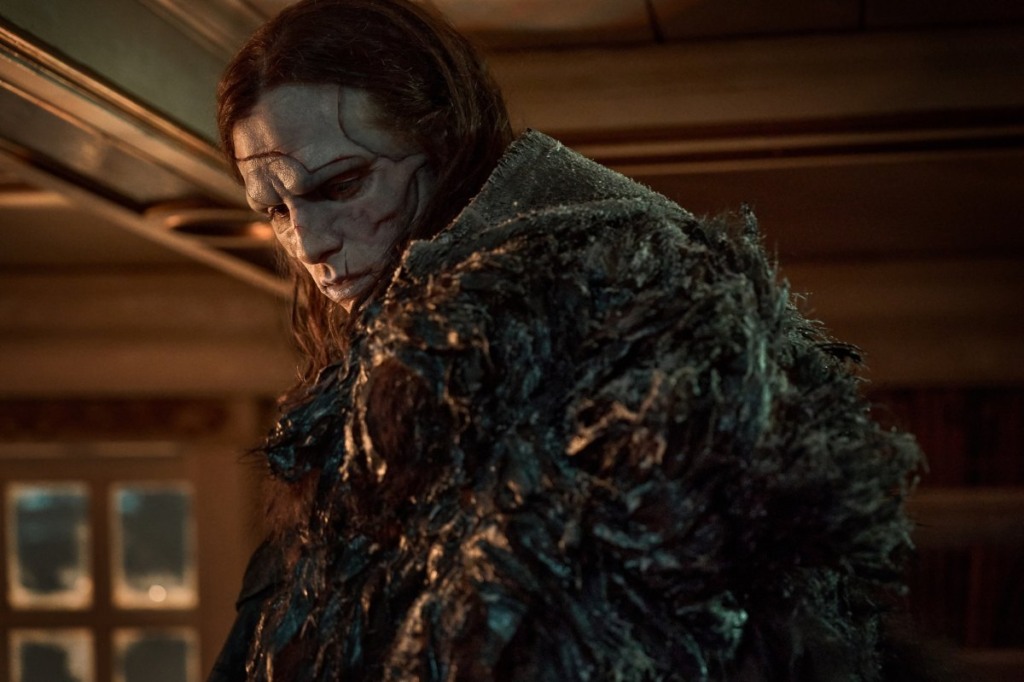
Guillermo del Toro has already presented his long-awaited adaptation of Frankensteinand as with all of the director’s projects, the result is as poetic as it is dark. Unlike Mary Shelley’s original novel, published in 1818, the film takes place a few decades later, set in the 1850s – a period after the author’s own death. This temporal change is not accidental: it allows del Toro to insert direct literary references, such as a sequence in which the Creature (Jacob Elordi) learns to read by studying the writings of Percy Shelley, Mary’s husband.
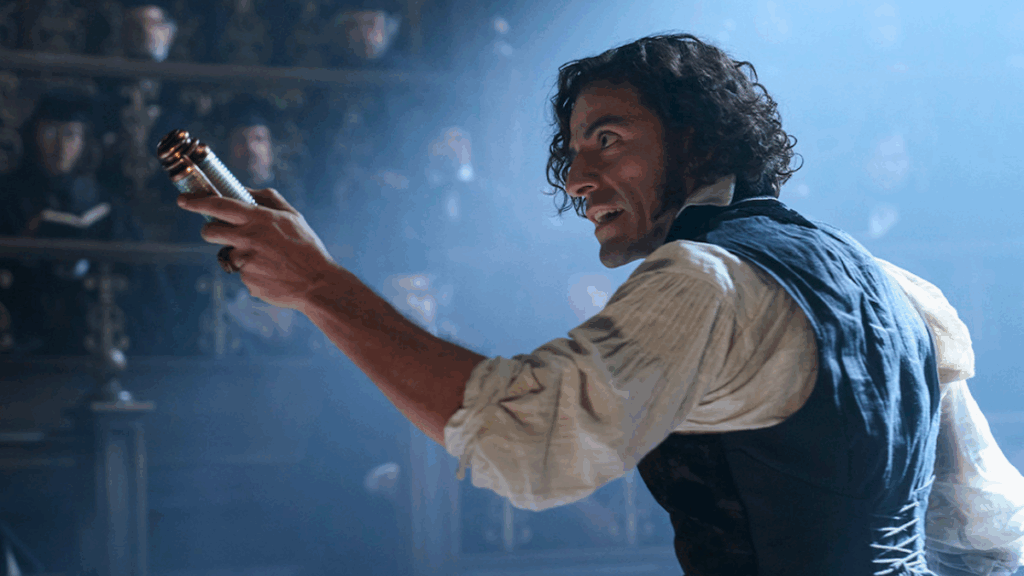
This curious choice creates a kind of “literary meta-universe”, in which the story of Frankenstein exists within the world of the film itself. Thus, Dr. Victor Frankenstein (played by Oscar Isaac) and his creation inhabit a historical context in which Shelley’s work was already written – a subtle commentary on the very myth that Mary helped to found.
Lord Byron’s controversial quote
The end of the Netflix film brings a decision that caused debate among critics and fans: del Toro closes Frankenstein with a quote from Lord Byron, not Mary Shelley. The chosen verse – “The heart will break and yet brokenly live on” (“And so the heart will break, but, broken, it will still live”) – belongs to the poem Childe Harold’s Pilgrimage: A Romaunt (1812–1818), one of Byron’s most famous works.
The choice divided the public: why end an adaptation of Frankensteinan emblematic text of literature written by a woman, with words from a friend of her husband? Some readers interpreted the option as a kind of symbolic erasure of the author. However, for del Toro, the gesture has another meaning — a thematic and emotional mirroring between Byron and the characters created by Mary Shelley.
Frankenstein and Byron: the same mirror of vanity and pain
In del Toro’s reading, both Dr. Frankenstein and his Creature bear traits of the so-called “Byronic hero” – a literary figure marked by melancholy, selfishness and dark beauty. Byron was the model of this archetype: a brilliant but self-centered man, capable of transforming his own suffering into fascination.
Victor Frankenstein, in the film, is portrayed as someone disconnected from humanity, unable to deal with death and obsessed with creating life. Your sensitivity is just appearance, a form of intellectual vanity. The Creature, in turn, is also a reflection of Byron: a sad, sensitive, beautiful and destructive being, played by Jacob Elordi as a “tragic monster” who could both cry and kill.
Thus, Byron’s verse summarizes the heartbreak that defines both characters – and perhaps Mary Shelley herself, who lived with the poet and closely observed his combination of genius and self-destruction.

Del Toro and Mary Shelley: A Conversation Through Time
Although the film ends with Byron, Frankenstein is, in essence, a tribute to Mary Shelley – her imagination, her courage and her ability to transform pain into art. Del Toro does not ignore her, but transforms her into the spiritual co-author of the work. By including Byron, the director invites the audience to see the story from Mary’s mind: a young woman surrounded by brilliant and self-destructive poets, who created, from this coexistence, the first science fiction novel in history.
Del Toro, therefore, is not replacing Shelley with Byron, but completing the circle. By quoting the poet, he highlights the irony and genius of the author, a woman who, by observing the men around her, transformed their ego and pain into one of the most powerful and eternal tales in literature.
Frankenstein is available on Netflix.
The post Controversial, Frankenstein’s ending angered some people; understand why it appeared first in Observatório do Cinema.

Hi! I’m Renato Lopes, an electric vehicle enthusiast and the creator of this blog dedicated to the future of clean, smart, and sustainable mobility. My mission is to share accurate information, honest reviews, and practical tips about electric cars—from new EV releases and battery innovations to charging solutions and green driving habits. Whether you’re an EV owner, a curious reader, or someone planning to make the switch, this space was made for you.


Post Comment