Isabel Coixet, at the presentation of ‘Tres adioses’ at the Seminci: “You don’t have to worry so much about so many stupid things. There is little time in life” | Cinema: premieres and reviews
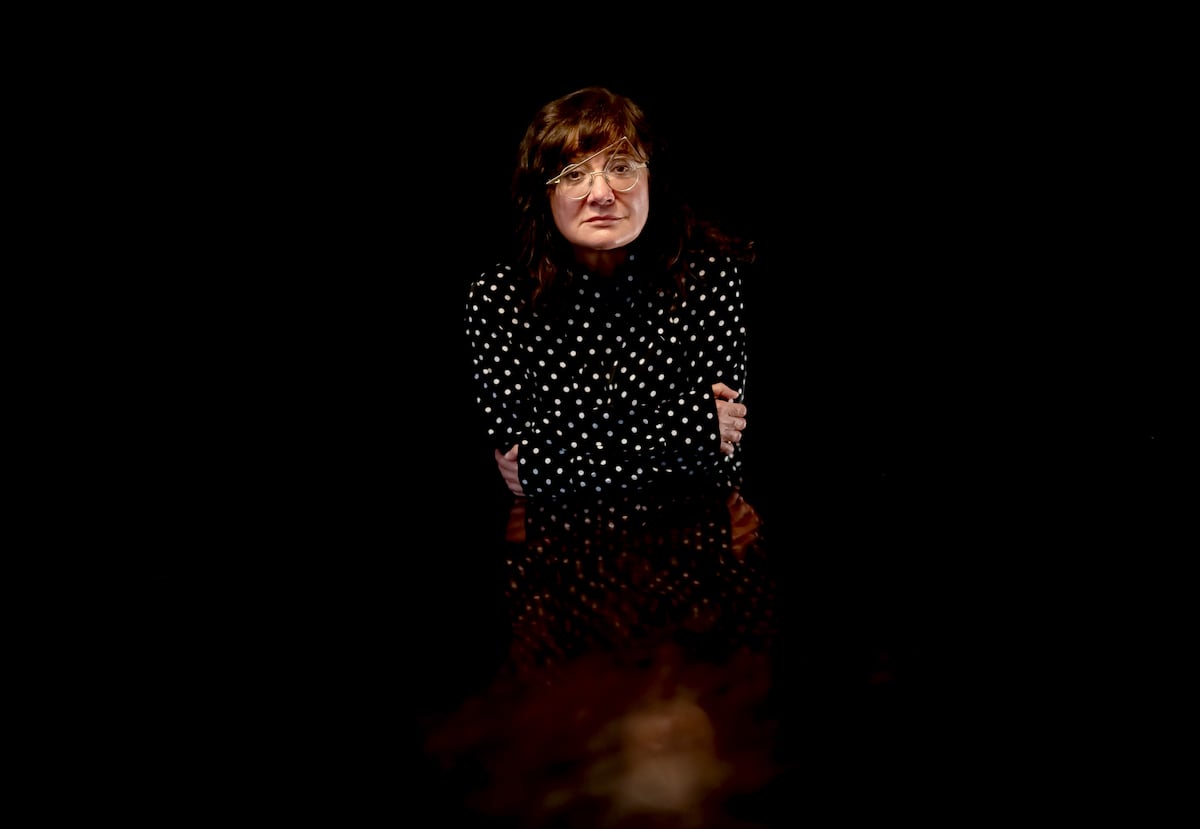
The 70th edition of Seminci, the prestigious and veteran Valladolid film festival, almost started without the presence of the director of the film that opens the event this Friday. Isabel Coixet (Barcelona, 65 years old) arrived in the city at six in the morning, from New York, where she is teaching.
It landed on the second attempt, after the first flight was canceled a day before due to “technical reasons.” “They tell me that and take it away, take it away… I went back home,” jokes the filmmaker, who with Three Goodbyes, the drama she presents, has made her debut in the Italian language. On Wednesday, the film returned to first place at the box office in Italy, to the joy of its creators: it is ending its second week with around 1.7 million euros accumulated. “Miracles exist (he jokes). Now seriously, I have received thousands of messages that I don’t have time to answer. People tell me how the film affects them. I have confirmed that it is a universal story, that many viewers remember when they thought they were going to die and how the film reminded them again that they don’t have to worry so much about so many stupid things. There is little time in life.”
three goodbyes stars Alba Rohrwacher, who plays Marta, a physical education teacher at a school in Rome. Her partner, Antonio (Elio Germano), is a chef who at the beginning of the film abandons the protagonist, who from that moment begins to suffer from nausea: what seems like the somatization of the breakup hides an advanced cancer. And even with everything, Marta will see that she could start another relationship with a classmate from the high school faculty, played by the Spaniard Francesco Carril, who for the first time acts in Italian, his mother’s language. The film is based on two stories of the 14 collected in the book Three bowls: rituals for a year of crisis, by Michela Murgia, known in Italy as “the writer of rights”, who died in 2023 from kidney cancer.
The assignment came to Coixet from producer Riccardo Tozzi: the book focused on Covid and the director asked to eliminate that disease and rewrite Marta’s story in her own way: “What remained was a beautiful love story, at least in my point of view; above all, it is the portrait of someone who discovers, when close to death, what it is to be alive.” And he adds: “If there is something that can summarize the film, and it is very brief, it is a phrase that Marta says: ‘You still have time’. It is a phrase that was not in Murgia’s stories, but that for me is key.”
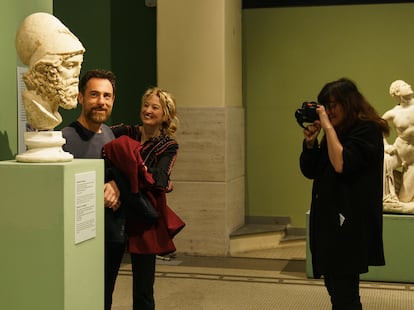
For a long time, Coixet has rejected “any project that had to do with illness and death.” Obviously, to avoid repetition and comparisons with My life without me. “I accepted this one because I felt it could be very different. I was interested in the protagonist being a woman without children, a normal woman and above all a woman who is not particularly sociable. And that in My life without me, That sick woman was building the legacy behind her, while here the legacy is Marta herself.” And, in general, she confesses: “I get bored if I repeat myself. That’s why I change themes in each film. I would never do that Italian thing of eating pasta every day (laugh).”
In Marta, Coixet has shown enormous affection. For example, in how he treats the two teenage students whom he discovers self-mutilating. “He is not a nice person. The sum of the two tragedies masks the first, and the illness drives something that he had hidden: his interest in people. And to open up to conversations, to discover those banal details… But our daily lives are made of that banality,” he points out.
There are two details in three goodbyes meditated by the filmmaker. The first is Rome itself. “I was worried about how to show it, that people would not see it as another foreigner’s admiration for the city. So I shot a lot of material for the inserts that illustrate the screen, and I decided to show my Rome – very far from the one shown by a Neapolitan like Sorrentino – with its 83-year-old master and his capucchino, with its peeling walls, with its madonnas hidden…” Or a beautiful nod to Pier Paolo Pasolini and the restaurant where he last dined.
The second is used for some jokes: the protagonist rescues a full-length, life-size cardboard portrait of a K-pop singer from the trash. He does it out of pure pity and to talk to someone later. Now, Korean pop is a type of music that Murgia loved and that Coixet detested. “In my program on Radio 3, only once did I play 13 seconds of a song so that the listeners could understand me.” Is that why that character is made of cardboard, a metaphor for papier-mâché musicians? Coixet bursts into laughter and, without opening his mouth, confirms the impression with gestures.

Coixet (which has already finished Someone should ban Sunday afternoons, the series that will premiere in France in March 2026) is currently teaching a graduate seminar at New York University entitled Landscapes of Intimacy (Landscapes of intimacy). “I talk about intimacy in cinema, about sexual intimacy, about loneliness, about how cinema treats the intimate lives of people and couples,” he develops. What is it like to live in New York today? “It’s strange. The speeds of the lives of citizens and the lives of those in charge are always different. But here the division between the two categories is immense. There is a lot of fear of speaking, of saying what you think out loud, something that has never happened before. Even more so in a place as different as New York. People are censoring themselves. The other day on a banner I saw a slogan that summarized what I think: ‘People are obeying before what is due’. However, you see the immigration police, the ICE, on the street, and it is very scary.”
On a daily basis, Coixet has gone to rallies of Zohran Mamdani, the young progressive Democrat who is fighting against the rest of the political spectrum for the mayor of New York, an election that will take place on November 4. “He’s a super young guy, who makes some hilarious videos on TikTok. Let’s see how he puts his promises into practice. It’s great, but when he assures that the price of food is going to go down, that the price of rent is going to go down, how is he going to do it in a city that lives off of restaurants and the real estate market? Complicated.”
Does the fact that the son of a filmmaker can be a councilor of the Big Apple send a message of hope to other mother directors? Coixet ends with new laughter, and confesses his personal connection with Mamdami. Coixet’s films have recently been joined by the presence of the British actress with an Italian childhood, Sarita Choudhury (in Three goodbyes, a sympathetic doctor). Choudhry rose to fame in 1991 with Mississippi Masala, alongside Denzel Washington, and directed by Mira Nair, Mandami’s real-life mother. For this reason, “Sarita was Zohra’s babysitter in her first years of life; now we are all with him.”

Hi! I’m Renato Lopes, an electric vehicle enthusiast and the creator of this blog dedicated to the future of clean, smart, and sustainable mobility. My mission is to share accurate information, honest reviews, and practical tips about electric cars—from new EV releases and battery innovations to charging solutions and green driving habits. Whether you’re an EV owner, a curious reader, or someone planning to make the switch, this space was made for you.


Post Comment