Massimo Troisi, nostalgia and the carriage that we (still) struggle to get into
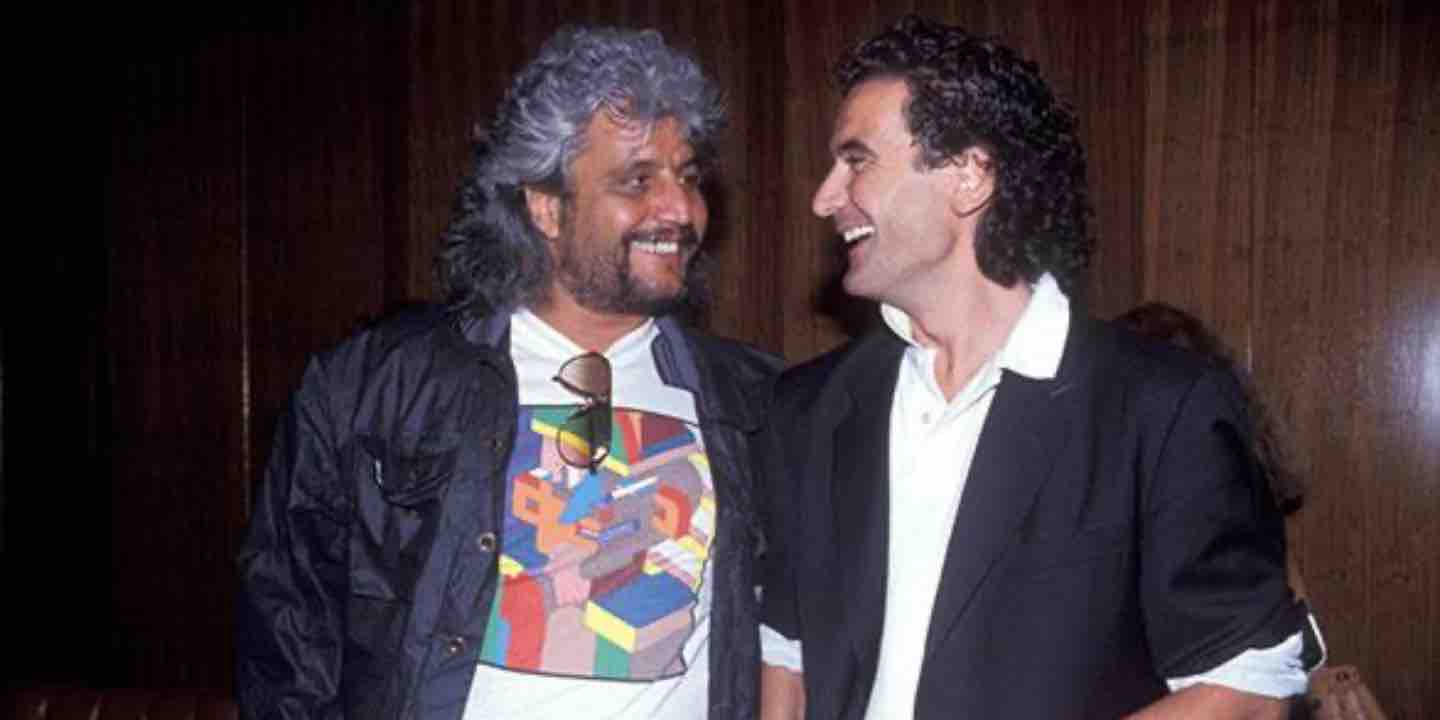
Massimo Troisi it is in every gesture of everyone, at least of those who know how to grasp the references in simplicity. We see it, implicitly, when someone tries to mention the words of a song without knowing them; when someone else quotes Dante and Beatrice, or when we see a couple talking in the distance and – in the middle of the discussion – we hear: “If I can be honest.” The immediate response, without even thinking about it, should be: “No, just tell me a lie.” It is not only eternal homage and gratitude, but precisely the demonstration of the fact that Massimo Troisi described this country (Italy) like no other.
He managed to bring together the vices and virtues of being Italian using the language of love. Neapolitan, today, is omnipresent: in Troisi’s time, however, it was like a serenade that few knew and managed to harmonize. Pino Daniele taught that the Neapolitan language goes well with everythingas other greats of song did before him, Massimo Troisi has demonstrated this in cinema and theatre. Where anyone, even rightly, determines that diction can open many doors. Speaking correctly is a pass, not the only one, for the stage and the big screen.
A matter of the heart
Speaking in dialect is a pass for the heart. This second path, if used properly, makes you eternal. This is what happened to Massimo Troisi who, from the first to the last work, put his tongue and heart first, deciding what to say and how to communicate it. “I want to make the film with my heart, not with someone else’s”he would have said before finishing – with difficulty – The Postman waiting for a transplant that could and should have been decisive. The great void that Troisi left and leaves, however, is filled (even if only partially) by the authenticity of his works.
His revolution, both on stage and in the room, was that of bring out – with grace, courtesy and genius – the defects of each of us. All those little “trademarks” that make both men and women unique in their distortions. Too often it is said that imperfection makes the difference, that we fall in love with defects because they make each person special and determined. Even in one’s own hardships. Massimo Troisi not only did he emphasize this currently inflated concept, but he managed to make it clear that consciences (in addition to being educated) must be understood. He put this theorem before our eyes, as an unwritten law that we must rigorously apply if we want to try to understand something within this existential seesaw.
I thought it was love but instead it was a carriage
“My wife wanted to change everything about my life. Away with friends, away with football, away with this, away with that. Then she said: ‘I want to be the woman of your life’. But if you want to be the woman of my life, you have to leave me a life, I said”.
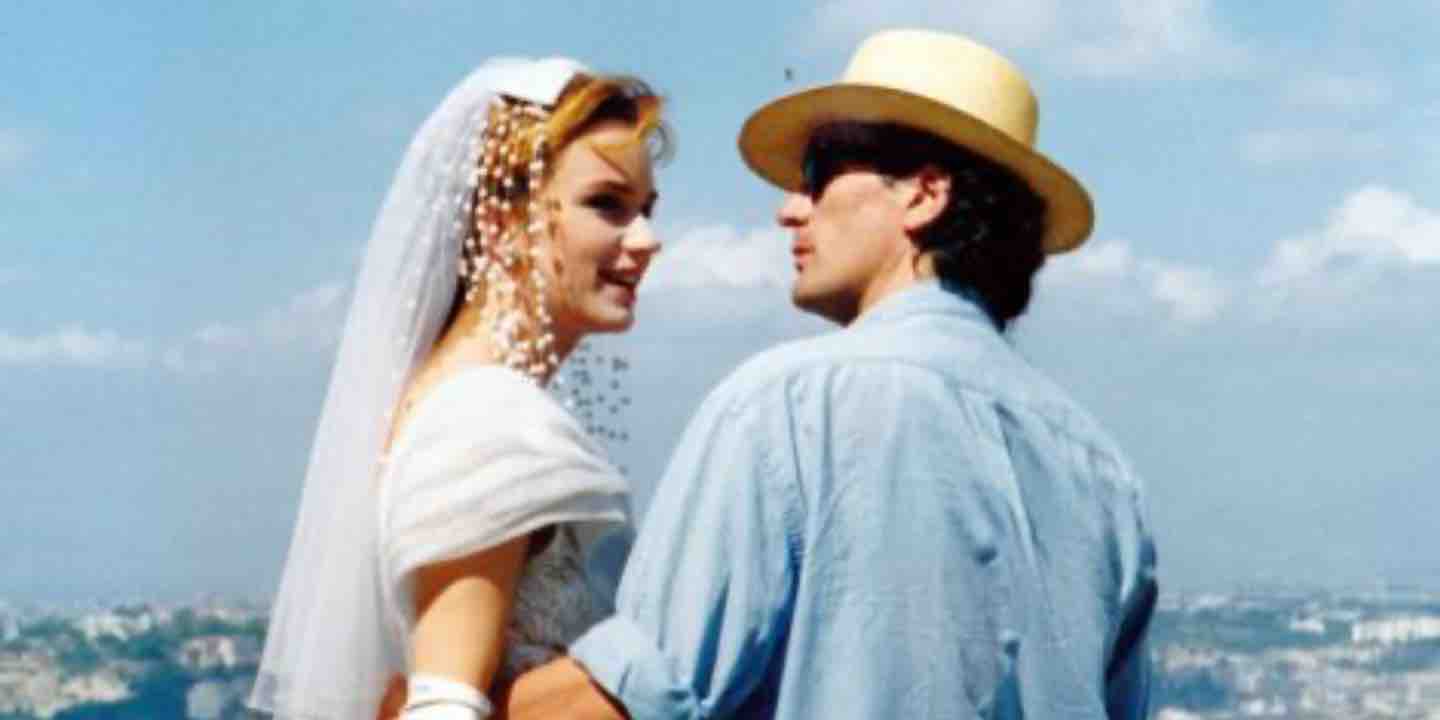
In these words, perhaps, there is the essence of Troisi because it determines – in the most disarming simplicity – how much each person makes an effort to try to understand and change the other, but in reality it should just be about getting to know each other. And try to smooth out the edges, mutually, in equal measure, even accepting each other’s character flaws – which most define as defects – because they make us imperfect, fallible, but also inevitably human with a beating heart and feelings. Despite it all.
34 years ago, in this regard, it came out I thought it was love but instead it was a carriage. A film not about love, but about love. A real treatise in the Troisi style that describes couple dynamics capable of involving anyone. Even those who believe they are immune or above the parties. Those who say: “It will never happen to me anyway.” Instead it happens and happens precisely to those who thought they had escaped dangers or repercussions of some kind.
The meaning in the name
The warning of the work already lies in the name: “Why Calesse? To best explain the disappointment of something whose expectations were not met. Any other object could have been used: a chair or a table, which contrasts as a material object with the spiritual love that no longer exists. I liked it and then you can find many things with the buggy: you go slowly, you go in one, you go in two, there’s even a horse. When it is no longer love but a carriage, you must have the courage of the end. Slowly, gently, without hurting. It takes the same commitment and intensity as at the beginning. Love stories are never lacking in films, so doing another one seemed neither stupid nor exceptional, but told in these terms I was intrigued.”.
Troisi does not shy away from feelings, on the contrary he encounters them in an all-encompassing way. He chooses to face them head on, as in all of his works, through entirely personal methods and strategies which then, however, they reflect behaviors very similar to those that are implemented by anyone who finds themselves in the presence of a great love that ends up going out like a match. It is not routine, not even inertia, but evolution and – again quoting Troisi – to travel together we must also have the possibility of waiting for those who seem to have a different rhythm. Of understanding, maturation and emancipation.
The last bow
It is not an obligation, traveling next to each other, as a couple. If anything, a privilege which, however, also involves burdens and the most important for Troisi concerns the ability not to hurt someone gratuitously even when a feeling has ended or you stop for an unwanted stop. Over the course of a journey that initially seemed like a pas de deux, is now more like a solo. In short, Troisi is telling us, with phrases, catchphrases and brilliant jokes, that there is a way to say goodbye. The last bow, before leaving the scene, in love, in friendship, in life, is as fundamental as the first. What we do to present ourselves when we come into the world, or we choose to share our soul (which in the best case scenario also becomes flesh) with someone.
Nothing lasts forever, but we can decide how we end it. In order not to have regrets or at least not to let the fear of travel put everything else into question, including that carriage we don’t want to get intoor – worse yet – from which we cannot get off.
Ecco, Massimo Troisi is also missing because he knew how to give lessons like this (even bitter ones) with the lightness of someone who would never abandon you: “Cca, if someone has to die, you have to do it and so on. Either he doesn’t die, or he organizes himself and does it first. Without bothering people.”. Let’s say that Massimo Troisi, unfortunately and fortunately, had organized himself in time, leaving us with an invaluable heritage from which to draw. Even when nostalgia would have triumphed.

Hi! I’m Renato Lopes, an electric vehicle enthusiast and the creator of this blog dedicated to the future of clean, smart, and sustainable mobility. My mission is to share accurate information, honest reviews, and practical tips about electric cars—from new EV releases and battery innovations to charging solutions and green driving habits. Whether you’re an EV owner, a curious reader, or someone planning to make the switch, this space was made for you.





Post Comment