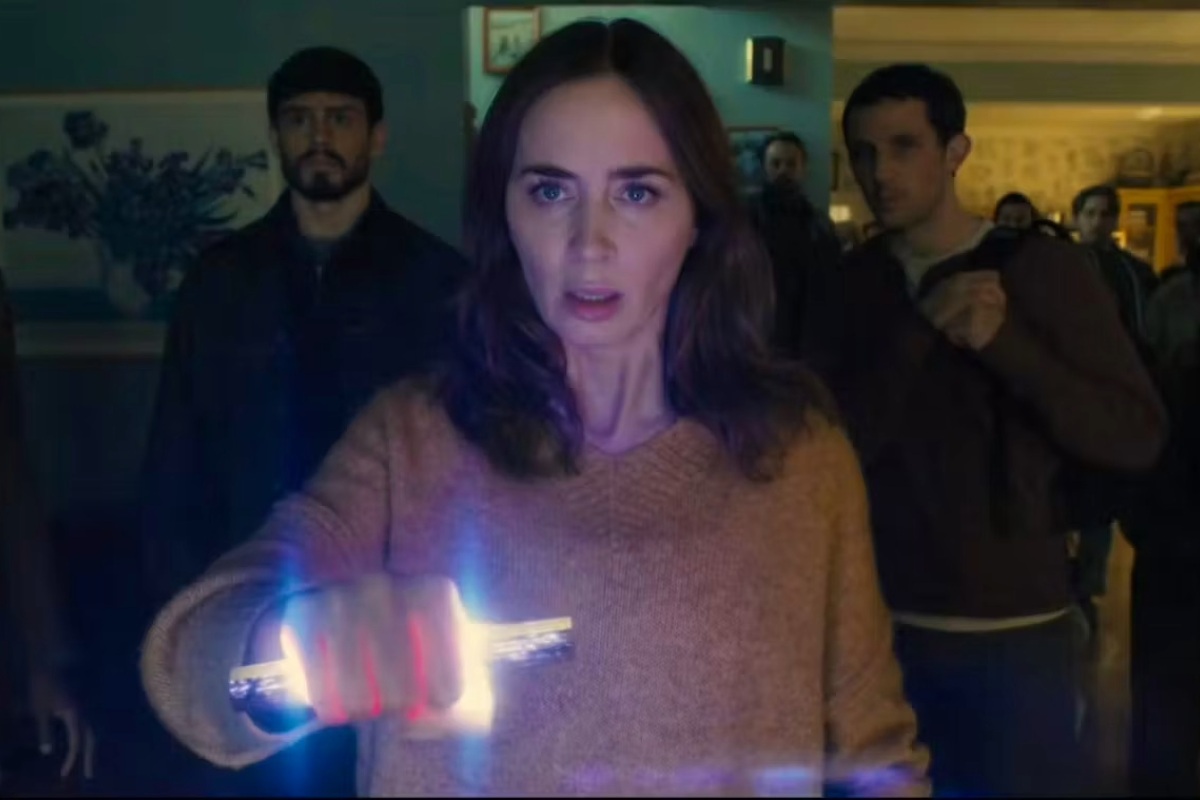
MOVIE Candyman: The Legend That Is More Alive Than Ever
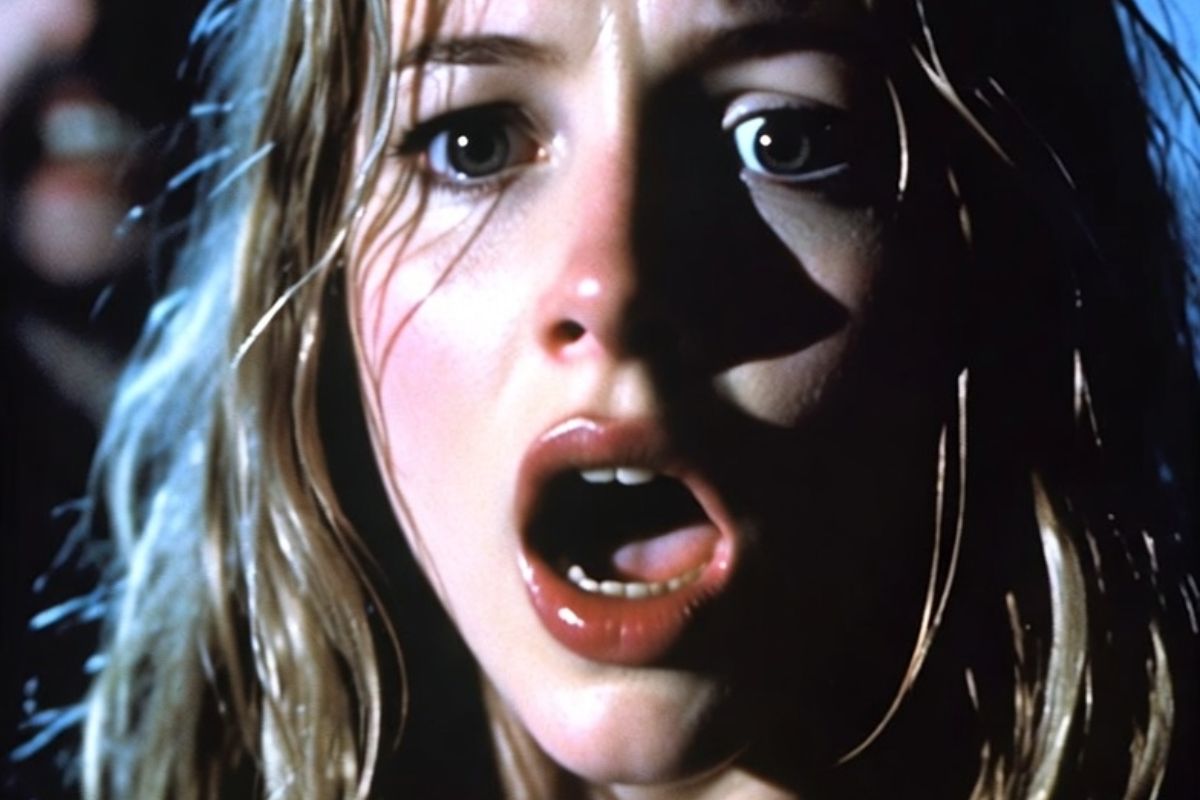
MOVIE Candyman: The Legend That Is More Alive Than Ever
As a lifelong fan of horror films, few stories have haunted me like the legend of Candyman. This urban legend, born in the 1992 classic, has evolved over the years, captivating audiences with its blend of folklore and horror. In this article, I’ll delve deep into the Candyman mythos, explore the characters, the evolution of the films, and the cultural impact these tales have had on society. Whether you’re a newcomer to the franchise or a seasoned fan, there’s something here for everyone.
The Origin of Candyman
The Candyman legend can be traced back to the original film released in 1992, directed by Bernard Rose and based on the short story “The Forbidden” by Clive Barker. The story revolves around the spirit of Daniel Robitaille, a talented African-American artist who fell victim to a lynching in the late 19th century. As the tale unfolds, we learn that he becomes a vengeful spirit who haunts the Cabrini-Green housing project in Chicago. To summon him, all one has to do is say his name five times in front of a mirror—a chilling premise that has kept audiences on the edge of their seats.
The Themes Behind the Legend
One of the reasons Candyman resonates so deeply is its exploration of complex themes including:
- Racial Injustice: The original film delves into issues of race and class, calling attention to the systemic violence faced by marginalized communities.
- Fear of the Unknown: Candyman embodies our fears—our fears of the dark, of societal breakdown, and of the supernatural.
- The Power of Storytelling: The film shows how stories can shape our realities, often highlighting urban legends that both frighten and fascinate us.
Candyman: The Critical Reception and Cultural Impact
The 1992 Candyman film was met with mixed reviews upon its release but has since garnered a cult following. Critics praised its unique storytelling and poignant social commentary, while others dismissed it as merely another slasher film. Over time, it has become a classic in the horror genre.
The film’s impact extends beyond mere entertainment. It prompted discussions around **urban legends**, **horror representation**, and the implications of violence in film. This has been particularly significant in the context of the African-American experience, making Candyman not just a villain, but a symbol of historical and contemporary injustices.
Modern Interpretations of Candyman
Fast forward to 2021, and the mythos was revitalized with the release of the new film, also titled Candyman, directed by Nia DaCosta and produced by the iconic visionary Jordan Peele. This modern iteration does not abandon the original’s legacy; rather, it builds upon it, exploring new dimensions of the story while still paying homage to what came before.
The new film focuses on a young artist, played by Yahya Abdul-Mateen II, who becomes entranced by the Candyman legend. As he unwittingly brings Candyman back into the world, the film sheds light on themes of gentrification and the commodification of trauma. The narrative does an outstanding job of showcasing how the past continues to reverberate in the present, making the story relevant to contemporary audiences.
The Cast and Creative Minds Behind the Franchise
The casting choices for both the original and the new film have played a crucial role in shaping the stories told. The original Candyman, portrayed by Tony Todd, brought an emotional gravitas to the character that solidified its status as an iconic horror villain.
In contrast, the 2021 film features a diverse cast, further emphasizing contemporary struggles while enriching the Candyman narrative. The direction of Nia DaCosta and the writing by Peele carefully weave together threads of horror and societal commentary, ensuring that the film does more than merely frighten; it also provokes thought and discussion.
The Iconic Imagery of Candyman
The striking visuals associated with the Candyman character—his hook hand, the bees, and the urban environments he haunts—have become synonymous with fear. These elements are not just for shock value; they are intricately tied to the character’s story and his haunting legacy.
For instance, the use of bees symbolizes transformation, life, and death. In the original film, they represent both beauty and the horror faced by Candyman. This connection to nature and the cycle of life adds another layer of depth to a character that could easily be a cliché villain.
The Significance of Urban Legends in Horror
Horror films often draw from urban legends, and Candyman stands out as a prime example. The idea of an urban legend, something that could be true or rooted in reality, heightens the feelings of dread. It adds an element of realism that connects viewers to the narrative.
In many ways, Candyman serves as a cautionary tale, warning us about the consequences of ignoring history. It forces us to confront uncomfortable truths about systemic racism, violence, and the societal structures that perpetuate them. From this perspective, the Candyman story transcends its genre, entering the realm of a powerful societal critique.
Relevance in Today’s Society
The themes present in Candyman have gained renewed relevance in today’s climate, where conversations around race, justice, and representation are more poignant than ever. The 2021 film embraces these themes more fully, addressing the duality of fear and representation. It explores how narratives evolve and the importance of telling these stories through a culturally relevant lens.
Viewing Candyman: Where to Watch
If you’re eager to explore the chilling world of Candyman, there are various ways to watch the films. Here are some options:
- Streaming Services: Platforms like Amazon Prime Video, Hulu, and others often carry the Candyman films, both the original and the new release.
- Digital Purchase: Services like iTunes and Google Play provide options to buy or rent the films for a personalized viewing experience.
- Physical Copies: For collectors, purchasing DVD or Blu-ray copies can offer bonus features and a tangible keepsake of the franchise.
If you’re interested in exploring the cultural discussions prompted by the films, consider checking out articles on platforms like IndieWire and The Ringer. These sites offer insights into the thematic depth and cultural significance of the Candyman series.
The Fan Community and The Future of Candyman
The fan community around Candyman is vibrant and engaged. The discussions that arise after a new film is released often illustrate how deeply these stories resonate with individuals, inviting interpretations and analyses. It’s a testament to the power of storytelling and how it brings people together.
Looking ahead, the future of the Candyman franchise appears promising. With the success of the recent film, there is potential for more sequels or adaptations that continue to expand upon the original lore while addressing contemporary issues. As society evolves, so too does the horror genre, providing a platform for important conversations.
Ultimately, Candyman remains more than a mere horror film; it’s a lens through which we explore both our fears and our realities. As discussions evolve and new narratives emerge, the legend of Candyman will undoubtedly continue to haunt and enthrall audiences for years to come.

In the world of horror films, few characters have had as lasting an impact as Candyman. This iconic figure, originating from urban legends, captivates audiences with his haunting story and chilling presence. In this article, we will explore the multifaceted legend of Candyman, his cultural significance, and why his tale is more relevant now than ever. We’ll answer common questions that fans and newcomers alike may have, offering a deep dive into the lore surrounding this enigmatic character.
Frequently Asked Questions
What is the story behind Candyman?
Candyman’s story originates from the urban legend of a troubled artist who falls in love with a white woman. After their affair is discovered, he faces a horrific fate, becoming vengeful and haunting those who summon him.
Who played Candyman in the original film?
The original Candyman character was masterfully portrayed by actor Tony Todd in the 1992 film directed by Bernard Rose.
How does the 2021 Candyman film differ from the original?
The 2021 film acts as a direct sequel while expanding upon the original’s themes, incorporating elements of gentrification, art, and the African American experience, making it more contemporary and socially relevant.
What are the key themes in Candyman?
Some of the central themes include *race*, *trauma*, *urban legends*, and the confrontation of history—particularly the legacy of violence against marginalized communities.
Is the Candyman legend based on a true story?
While Candyman is not based on a specific true story, his character draws on historical realities of racial violence and folklore, evoking the deeper fears and experiences of communities affected by these issues.
What are the rules for summoning Candyman?
To summon Candyman, you traditionally stand in front of a mirror, say his name five times, and he will appear. However, each telling and interpretation may include slight variations.
Why is Candyman still relevant today?
Candyman remains relevant as it reflects ongoing societal issues, such as *racism*, *police violence*, and the complexities of urban life, making it a poignant symbol of contemporary struggles.
What is the significance of the hook hand?
The hook symbolizes both his brutal past and the scars of *trauma*, representing how violence can define a person and their legacy.
Are there any sequels to the original Candyman film?
Yes, aside from the 2021 film, there is also *Candyman: Farewell to the Flesh* (1995) and *Candyman: Day of the Dead* (1999), each exploring different aspects of the legend.
What impact has Candyman had on horror cinema?
Candyman is often credited for bringing attention to socio-political issues in horror, blending narrative depth with traditional horror elements, thus inspiring many filmmakers.
How does Candyman compare to other horror icons?
Unlike other horror icons, Candyman’s backstory emphasizes sorrow and tragedy rooted in the African American experience, enriching his character with emotional depth.
What is the role of art in the Candyman narrative?
Art serves as a crucial vehicle for expression in the Candyman mythos, representing both beauty and the darker themes of the urban experience, connecting the protagonist and Candyman himself.
What lessons can be drawn from the Candyman story?
The story teaches us about the importance of acknowledging history, understanding trauma, and confronting societal issues rather than romanticizing or dismissing them.
Is there a connection between Candyman and social justice?
Yes, the film addresses issues of systemic racism and injustice, encouraging conversations about *equality* and the historical context behind violence against Black communities.
What should newcomers to Candyman know before watching?
New viewers should understand that Candyman is more than just a horror film; it tackles significant societal themes and encourages reflection on one’s personal and collective history.
How has audience reception of Candyman evolved over time?
Over the years, audiences have come to appreciate the deeper themes of Candyman, transitioning from mere horror to a cultural commentary relevant to the times.
What makes Candyman different from typical slasher villains?
Candyman’s curse stems from a tragic backstory and his embodiment of societal injustices, providing a stark contrast to traditional slasher villains who often lack depth.
Where can I watch the Candyman films?
The Candyman films can be streamed on various platforms, including [insert popular streaming services], or rented from digital storefronts.
Are there any books related to Candyman?
While there isn’t a specific book series about Candyman, various horror anthologies discuss urban legends and folklore that include references to him and similar figures.
Have there been any adaptations of the Candyman story outside of film?
Yes, there have been stage adaptations, short films, and discussions in literature exploring the themes of Candyman, demonstrating his influence across different media.
What impact did the original Candyman film have on its release?
The original 1992 film was groundbreaking, being one of the first mainstream horror films to feature a Black lead and tackle racial themes, making a lasting impact on the genre.
What do fans love most about Candyman?
Fans adore the haunting visuals, profound themes, and the chilling performance of Tony Todd, combined with the compelling folklore that all contributes to Candyman’s mythos.
Conclusion
Candyman’s legend reminds us of resilience and reflection.


Hi! I’m Renato Lopes, an electric vehicle enthusiast and the creator of this blog dedicated to the future of clean, smart, and sustainable mobility. My mission is to share accurate information, honest reviews, and practical tips about electric cars—from new EV releases and battery innovations to charging solutions and green driving habits. Whether you’re an EV owner, a curious reader, or someone planning to make the switch, this space was made for you.