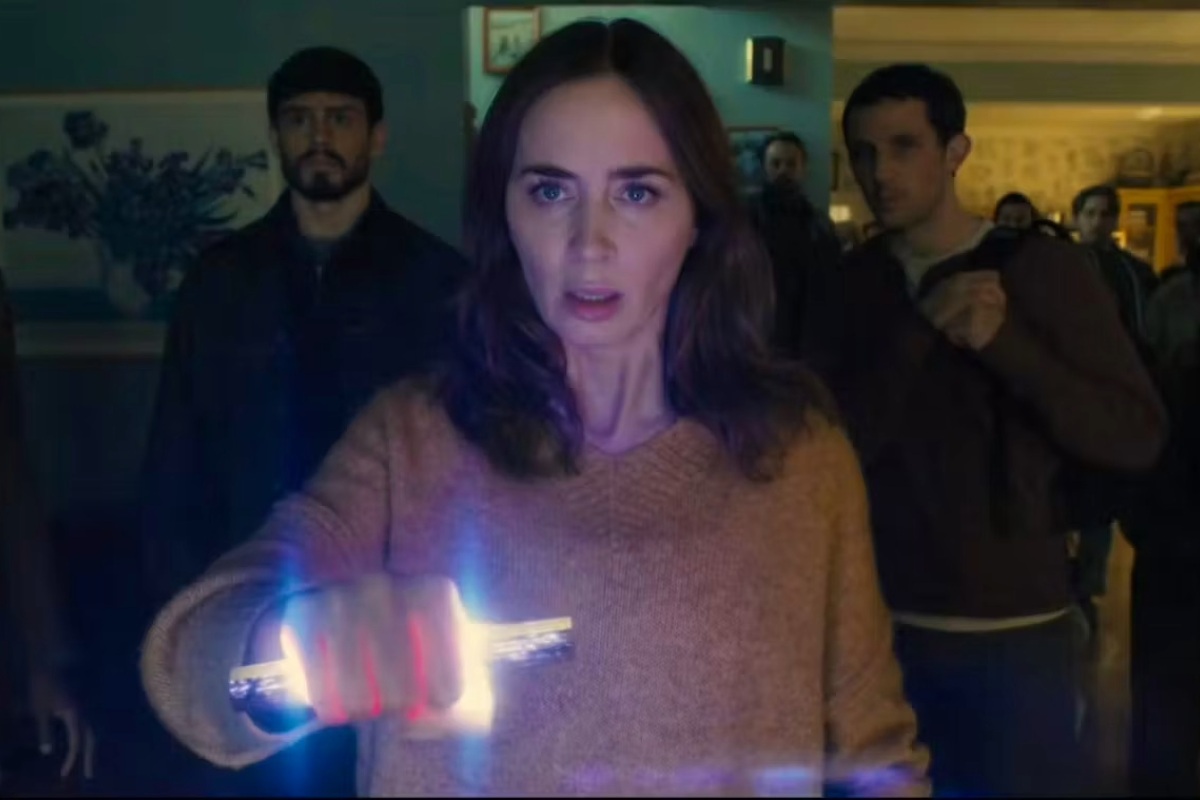
MOVIE Halloween Kills: The Return That Is Dividing Opinions And Fears

Movie Halloween Kills: The Return That Is Dividing Opinions and Fears
As a lifelong horror movie enthusiast and a massive fan of the Halloween franchise, I remember the excitement surrounding the release of Halloween Kills. Expectations were sky high after the success of the 2018 reboot, which wonderfully reinstated Michael Myers in the cultural zeitgeist. But upon its release in 2021, I found myself grappling with a mix of nostalgia, fear, and a little disappointment. Many audiences felt the same way. This article dives deep into what makes Halloween Kills a divisive addition to the beloved franchise, exploring the plot, characters, and underlying themes that have sparked debate among fans and critics alike.
The Legacy of Halloween
The Halloween franchise began in 1978 with John Carpenter’s groundbreaking film. It set the bar for slasher films, bringing us the terrifying character of Michael Myers and his relentless pursuit of babysitter Laurie Strode, portrayed by the iconic Jamie Lee Curtis. Over the years, we’ve seen various iterations and sequels attempting to rekindle the original’s magic, yet many failed to capture its essence. Until the 2018 reboot, which successfully reinvigorated interest in the series.
The Setup: Where We Left Off
The reboot conclusively positioned Laurie as a survivor in a world still haunted by Michael Myers. With an ending that left us anticipating his inevitable return, fans were eager for more. Halloween Kills promised to continue this story, picking up right where its predecessor left off, digging deeper into the impact of trauma and the cycle of violence. But the execution—ah, that’s where people started to diverge in their opinions.
Plot Overview
Halloween Kills kicks off with a shocking prologue that brings back familiar faces and immerses us in flashbacks of the original night of terror. As Michael Myers escapes the fire that was intended to finally end his reign of terror, Haddonfield descends into chaos. The town unites to confront this monster, but the film takes surprising turns, showcasing how collective fear can lead to community madness.
The Themes of Fear and Violence
One of the striking features of Halloween Kills is its exploration of how fear can ripple through a community. The movie demonstrates how the legacy of trauma can affect individuals and their actions. Rather than acting only as victims or survivors, the townspeople become hunters, which raises significant moral questions:
- Can fear justify violence?
- Does revenge bind the community closer, or does it only deepen the divide?
- How does trauma manifest in different individuals?
For those who prefer straightforward horror, these themes can feel like unnecessary distractions. Others might appreciate the intricate layers that add depth to what could have been ‘just another slasher film’.
Character Development: Old Faces and New Identities
Returning characters such as Laurie Strode, her daughter Karen, and granddaughter Allyson offer the familiar thread of storytelling that we cherish. Jamie Lee Curtis shines once again as Laurie, but her role takes on a different flavor; she becomes more of a strategist than the frontline warrior we saw in the 2018 film. Her character highlights the ongoing toll of trauma while showing how the battle against Michael Myers is as much psychological as it is physical.
New characters, like Tommy Doyle (played by Anthony Michael Hall) and Lonnie Elam (Robert Longstreet), provide a fresh perspective on the story, connecting the past to the present.
Character Development: Old Faces and New Identities
The return of characters from the original film allows for interesting narrative intersections. These characters, now older and shaped by their experiences, shed light on the long-lasting effects of fear and violence. However, some fans have found their development to be lackluster, leading to further division.
The Reception: Divided Opinions
Upon its release, Halloween Kills garnered mixed reactions. Some praised its audacity to tackle heavy themes and its commentary on societal issues, whereas others criticized it for being overly convoluted and lacking a satisfying character arc for its leads. It’s crucial to note that a film’s reception often reflects the viewer’s expectations and personal experiences—with Halloween Kills, we see this tension borne out vividly.
Critical Acclaim and critiques
On platforms like Rotten Tomatoes, the film holds a rating of 38% from critics, juxtaposed against an audience score of around 71%. This disparity highlights how a horror film can resonate differently with various viewers. Some highlights and low points include:
- Strengths: Effective scares, a strong performance by Curtis, and engaging social commentary.
- Weaknesses: Pacing issues, convoluted plot threads, and secondary characters that feel underdeveloped.
Many traditional horror fans cherish the scares and the thrill of the hunt, while others sought more depth and storytelling prowess. This divergence prompts questions about what we want from horror films in general.
The Creative Direction and Michael Myers
The director David Gordon Green’s vision has ignited discussions amongst fans. His approach blends classic horror tropes while trying to inject meaningful subtext into the genre. However, some have criticized his choices for not fully engaging the nuanced aspects of realism in characters’ behaviors, particularly in how the townspeople unite in their fear of a common enemy.
Michael Myers: The Shape of Fear
Michael Myers remains an enigmatic and chilling figure, portrayed as both a psychopath and a symbol. In Halloween Kills, he represents not just pure evil, but the repercussions of unchecked vengeance and trauma. The film strives to depict him as a terrifying entity, shifting the focus from simply being a mindless killer to a representation of the fears that loom within us all. The manifestation of evil can be reflected in different ways, and Michael Myers is the perfect conduit for this message.
Fan Theories and Speculation
The ambiguity surrounding Michael’s character encourages fan theories and heated discussion online. Is he ever going to be truly defeated? Some speculate about the ritualistic aspects of his killing spree. Others relate his actions to a commentary on societal issues, like cycles of violence. It’s fascinating to see how viewers connect themes from the film to real-world experiences and ideologies.
- Does Michael symbolize unresolved trauma?
- What’s the purpose of the collective retaliatory tendencies in Haddonfield?
- Will we ever get closure for Laurie and her family?
These questions not only add a layer of intrigue but also speak to the film’s ability to provoke thought beyond simple entertainment.
The Future of the Franchise: What Lies Ahead?
With the film’s release, speculation is rampant about the next installment, Halloween Ends, slated to continue this story arc. The anticipation revolves around how the filmmakers plan to wrap up these narratives, and whether they can encapsulate the multifaceted themes explored in Halloween Kills effectively.
What Can We Expect?
Many fans hope for a more cohesive story that intertwines the fates of Laurie, Allyson, and Michael in a compelling climax. Others worry this will succumb to common horror tropes that leave us dissatisfied. The balance between fulfilling fans’ wishes while introducing fresh ideas remains a precarious one.
Conclusion: A Polarizing Yet Impactful Experience
Halloween Kills evokes strong responses from its audience and highlights broader themes of trauma, violence, and fear in our society. Its depth and ambition to tackle these issues certainly set it apart from typical slasher films; however, whether that is seen as a strength or weakness largely depends on the viewer’s perspective. As someone deeply embedded in horror culture, I appreciate the new perspectives brought forth by this film—though I also understand the frustrations that come with it.
For additional insights into the fan discussions surrounding Halloween Kills, I recommend checking out Rotten Tomatoes and IndieWire. They provide diverse viewpoints on both critique and audience reception, shedding further light on this Halloween saga’s ongoing legacy.
As viewers, our reception of films can often reveal more about ourselves and our society than the film alone. Whether we embrace Michael Myers or continue to fear him, one thing is for certain: this franchise will keep haunting our nightmare.

As we dive into the discussion surrounding *Halloween Kills*, it’s clear that the film has sparked a wide range of opinions. Many fans are excited for the return of the beloved franchise, while others express concerns about its direction and themes. Whether you’re a die-hard fan of the original films or new to the franchise, this article will explore various perspectives, dissect the film’s elements, and answer pressing questions from viewers.
Frequently Asked Questions about Halloween Kills
What is the plot of *Halloween Kills*?
*Halloween Kills* picks up right after the events of the previous film, showing Laurie Strode and her family as they continue to fight against the relentless Michael Myers. The story revolves around their efforts to confront the terror he brings while also spotlighting the wider community’s reaction to his rampage.
Who are the main characters in *Halloween Kills*?
The film features returning characters like Laurie Strode (Jamie Lee Curtis), her daughter Karen (Judy Greer), and granddaughter Allyson (Andi Matichak), along with new faces that contribute to the ongoing battle against Michael Myers.
Why are opinions divided on *Halloween Kills*?
Many fans appreciate the return of the iconic horror elements, while others criticize the film for its pacing and character development. The film tries to strike a balance between nostalgia and modern storytelling, which sometimes doesn’t hit the mark for all viewers.
Is *Halloween Kills* a direct sequel to previous Halloween films?
Yes, *Halloween Kills* is a direct sequel to the 2018 *Halloween*, disregarding the continuity of previous sequels and focusing on the events after Laurie’s victory against Michael.
What themes are explored in *Halloween Kills*?
The film touches on themes of trauma, community, and the cycle of violence, making viewers reflect on how fear and survival instinct affect human behavior, especially in haunted towns.
How does *Halloween Kills* compare to the 2018 film?
While the 2018 film focused heavily on Curtis’s character and her legacy, *Halloween Kills* expands on the implications of Myers’ return, diving deeper into the trauma experienced by the community and its history with the killer.
Are there any new characters introduced in *Halloween Kills*?
Yes, new characters bring fresh dynamics and enhance the narrative. Some of these characters become integral to the storyline as they confront the horrors wrought by Michael Myers.
What was the general reception of *Halloween Kills*?
The film has received mixed reviews, with critics praising its visual style and horror elements but critiquing its narrative coherence and character depth.
Are there graphic scenes in *Halloween Kills*?
As a horror film, *Halloween Kills* features several intense and graphic scenes that might not be suitable for all viewers. The filmmakers rely on gore to amplify the horror experience.
What is the significance of the title, *Halloween Kills*?
The title reflects both the time of year the events take place and emphasizes the lethal consequences of Michael Myers’s actions, symbolizing the ongoing impact of violence.
Does *Halloween Kills* set up for another sequel?
Yes, the ending of *Halloween Kills* leaves audiences anticipating its follow-up, *Halloween Ends*, hinting at unresolved conflicts and further confrontations.
Can *Halloween Kills* be watched without seeing previous films?
While it’s possible to enjoy *Halloween Kills* independent of prior films, familiarity with the franchise will enhance the overall experience as it references earlier events and characters.
How does the film portray the character of Michael Myers?
The portrayal of Michael Myers in *Halloween Kills* sustains his reputation as a relentless and seemingly unstoppable force, further building on his mythos and the terror he instills in the community.
What are some standout scenes in *Halloween Kills*?
The film includes several memorable sequences, including intense confrontations, well-crafted chase scenes, and emotional moments that heighten the tension and stakes for the characters involved.
What role does community play in *Halloween Kills*?
The community’s reaction to Michael Myers is central to the film. It illustrates how collective trauma shapes responses to fear and danger, showcasing both unity and chaos among residents.
What can fans expect from the special effects in *Halloween Kills*?
The special effects in *Halloween Kills* have been noted for their gruesome realism, effectively amplifying the horror and making many scenes unforgettable for the audience.
Are there any important messages in *Halloween Kills*?
The film delivers messages about the consequences of fear and trauma, discussing how these factors can profoundly affect people’s lives and decisions when faced with danger.
How has *Halloween Kills* impacted the Halloween franchise?
*Halloween Kills* adds a new layer to the franchise, challenging perceptions of traditional horror storytelling while addressing contemporary themes that resonate with modern audiences.
Should parents take their teens to see *Halloween Kills*?
Parents should consider the film’s graphic content and themes when deciding whether it’s appropriate for their teens. It’s rated R, signifying that it may not be suitable for younger audiences.
What were some critiques about character development in *Halloween Kills*?
Some viewers felt that certain characters lacked depth and proper arcs, making it difficult to connect with them emotionally. This led to mixed reactions regarding the film’s overall storytelling effectiveness.
What’s next for the franchise after *Halloween Kills*?
The franchise is expected to conclude with *Halloween Ends*, which will resolve the ongoing narrative and hopefully provide closure for fans of the series.
Conclusion
Overall, *Halloween Kills* is a bold return for the franchise.


Hi! I’m Renato Lopes, an electric vehicle enthusiast and the creator of this blog dedicated to the future of clean, smart, and sustainable mobility. My mission is to share accurate information, honest reviews, and practical tips about electric cars—from new EV releases and battery innovations to charging solutions and green driving habits. Whether you’re an EV owner, a curious reader, or someone planning to make the switch, this space was made for you.