The 5 best films on Netflix in 2025 (so far), according to critics from 15 of the biggest newspapers and film magazines in the world
It was not “Netflix” who chose these films, nor the platform’s ubiquitous daily Top 10, nor the algorithm that decides what appears on the home screen. To come up with a list of the five features released in 2025 that most impressed, moved and intrigued critics, “Revista Bula” turned to another thermometer: that of the newsrooms that, for decades, have helped organize the cinephile imagination in different countries. Instead of counting clicks, arguments were counted; instead of measuring minutes watched, critical insistence, recurrence in lists and consistency of praise were measured.
The starting point was fifteen review houses that any cinephile will recognize from afar. From the United States came “The New York Times”, “Los Angeles Times”, “The Washington Post”, “The New Yorker”, “Variety”, “The Hollywood Reporter” and the website “RogerEbert.com”, direct heir to the tradition of one of the most influential critics of the 20th century. From the United Kingdom, “The Guardian”, “Sight & Sound” (magazine of the British Film Institute) and “Screen International/Screen Daily”. From France, “Le Monde” and “Cahiers du Cinéma”; from Spain, “El País”; from Italy, “la Repubblica”; of Germany, the “Süddeutsche Zeitung”. Together, these vehicles represent different aesthetic lines and interests, but share the same level of demand.
The survey only considered films released in 2025 and available on “Netflix” — either as originals produced for streaming or as titles distributed exclusively by the platform. From there, three layers of information were crossed: presence on “best of the year (so far)” lists and festival reviews; high marks in reviews signed by renowned critics; and recurrence in analytical texts that cited the same titles again over the months. When a film appeared at the same time in the pages of “The New York Times”, in a warm review in “The Guardian” and in a laudatory mention in “Cahiers du Cinéma”, for example, it gained additional weight in the calculation.
The result is a prestigious selection, built on the way in which these five films have been debated, defended and revisited by critics in different countries. “Train Dreams”, by Clint Bentley, was welcomed as a delicate heir to an American contemplative tradition, evoking names like Terrence Malick in European and North American publications. “The Perfect Neighbor”, by Geeta Gandbhir, began to appear frequently in texts about political documentaries, racial violence and “stand your ground” laws. “Frankenstein”, by Guillermo del Toro, was described by more than one critic as the most mature work of the director’s career. “House of Dynamite”, by Kathryn Bigelow, reignited debates about Hollywood political cinema and the ethics of nuclear threat narratives. “Jay Kelly”, by Noah Baumbach, appears on best of the year lists as an uncomfortable portrait of aging masculinity and the emotional cost of fame.
The Perfect Neighbor (2025), Geeta Gandbhir
This documentary reconstructs, in detail, a neighborhood conflict in Florida that begins with small, everyday irritations and ends in homicide, exposing the fissures of a community divided by race, fear and mistrust. The narrative relies on footage from police body cameras, emergency call logs and court files to show how a seemingly banal argument turns into irreversible tragedy. The director follows family, friends and residents of the region, revealing how each side interprets the episode based on their own experiences, traumas and expectations regarding justice. The film also investigates the impact of local self-defense laws, in particular the so-called “stand your ground” rule, revealing how legal provisions can be triggered unequally depending on the skin color of the people involved. By combining archival material with emotional testimonies, the production avoids easy simplifications and highlights the disintegration of a community that previously saw itself as united. At the center of everything remains the pain of those who lost a loved one, confronted with the accused’s attempt to justify their actions, in a harsh portrait of the way in which structural prejudice, permissive legislation and everyday tension can converge to a fatal outcome.
House of Dynamite (2025), Kathryn Bigelow
 Disclosure / Netflix
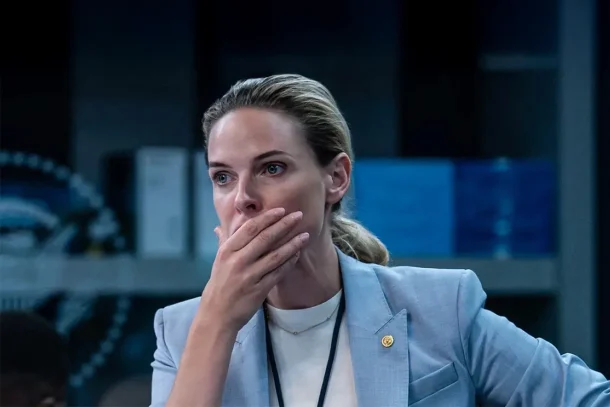
This near-real-time political thriller follows the White House crisis management team as radar detects a nuclear missile heading toward the United States whose origin no one can identify. With just minutes to act, military personnel, advisors and high-ranking government figures gather in underground situation rooms, trying to decipher whether the attack is a miscalculation, a test, a provocation by a rival power or an isolated terrorist gesture. As incomplete data arrives from different agencies, disagreements grow over the appropriate response: to counterattack preemptively, buy time for confirmation, or rely on defense systems that may not work as promised. The narrative alternates between these scenes of power and the psychological impact on the people in charge of deciding the fate of millions, exposing intimate fears, war traumas and ethical conflicts that clash with strict protocols. The director builds tension in a constant crescendo, avoiding definitive answers about the authorship of the attack and the final decision, to highlight the fragility of a world in which collective survival depends on a few individuals cloistered in windowless rooms, surrounded by screens, graphs and clocks that tick towards zero.
Frankenstein (2025), Guillermo del Toro
 Ken Woroner / Netflix
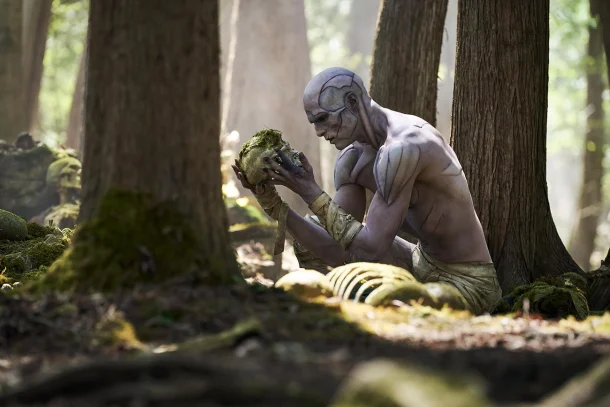
In this gothic retelling of Mary Shelley’s literary classic, a brilliant, self-centered scientist dedicates his life to defying the limits of death, convinced that he can recreate the spark that animates the human body. Obsessed with his own genius, he collects body fragments and builds a new creature, without considering the ethical and emotional implications of the experiment. When the being gains consciousness, an abyss also arises between the desire to be accepted and the repulsion that he finds in practically everyone around him. Throughout the story, we follow the clash between creator and creation in dark mansions, laboratories full of gears and European landscapes covered in fog, where each scenario reflects the emotional state of these torn characters. The production emphasizes the point of view of the reanimated being, exploring his discovery of the world, his fear of his own appearance and his desperate search for affection in figures who offer him brief glimpses of humanity. With luxurious photography, a lyrical musical score and strong dramatic performances, the film transforms the well-known horror story into a tragic meditation on loneliness, responsibility and the price of playing god.
Jay Kelly (2025), Noah Baumbach
 Disclosure / Pascal Pictures
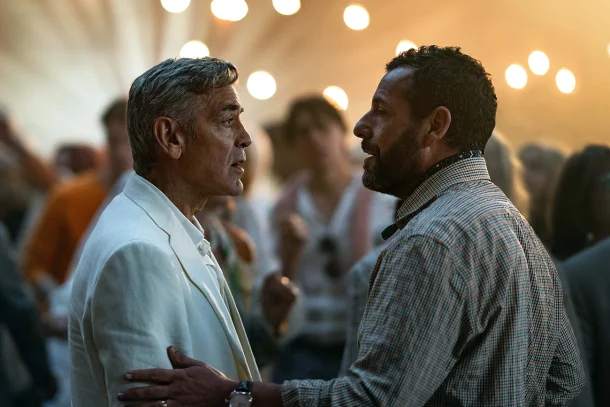
In this melancholy drama with touches of humor, a film star in his sixties decides to accompany his youngest daughter on a trip to Europe, trying to get closer to her before the young woman leaves home permanently. He imagines peaceful days, but discovers that the girl has already planned the trip with friends and does not want her father to be present, which exposes years of emotional separation. In parallel, the protagonist needs to participate in a tribute to a director who was decisive in his career and who recently died, an event that forces him to confront past choices, broken friendships and old resentments. Alongside a loyal businessman, who mixes professional function and true friendship, he crosses cities and luxury hotels while his own inner world seems to crumble under the weight of lawsuits, negative headlines and crumbling family relationships. The narrative progresses between embarrassing encounters, failed attempts at reconciliation with the eldest daughter and memories of a time when success seemed to justify any absence. Little by little, the character realizes that neither prestige nor public honors can fill the void left by the connections he neglected, transforming the trip into a painful inventory of everything that cannot be redone.
Train Dreams (2025), Clint Bentley
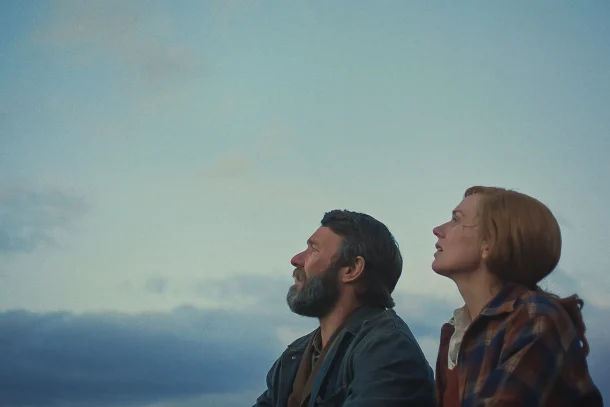 Disclosure / Black Bear
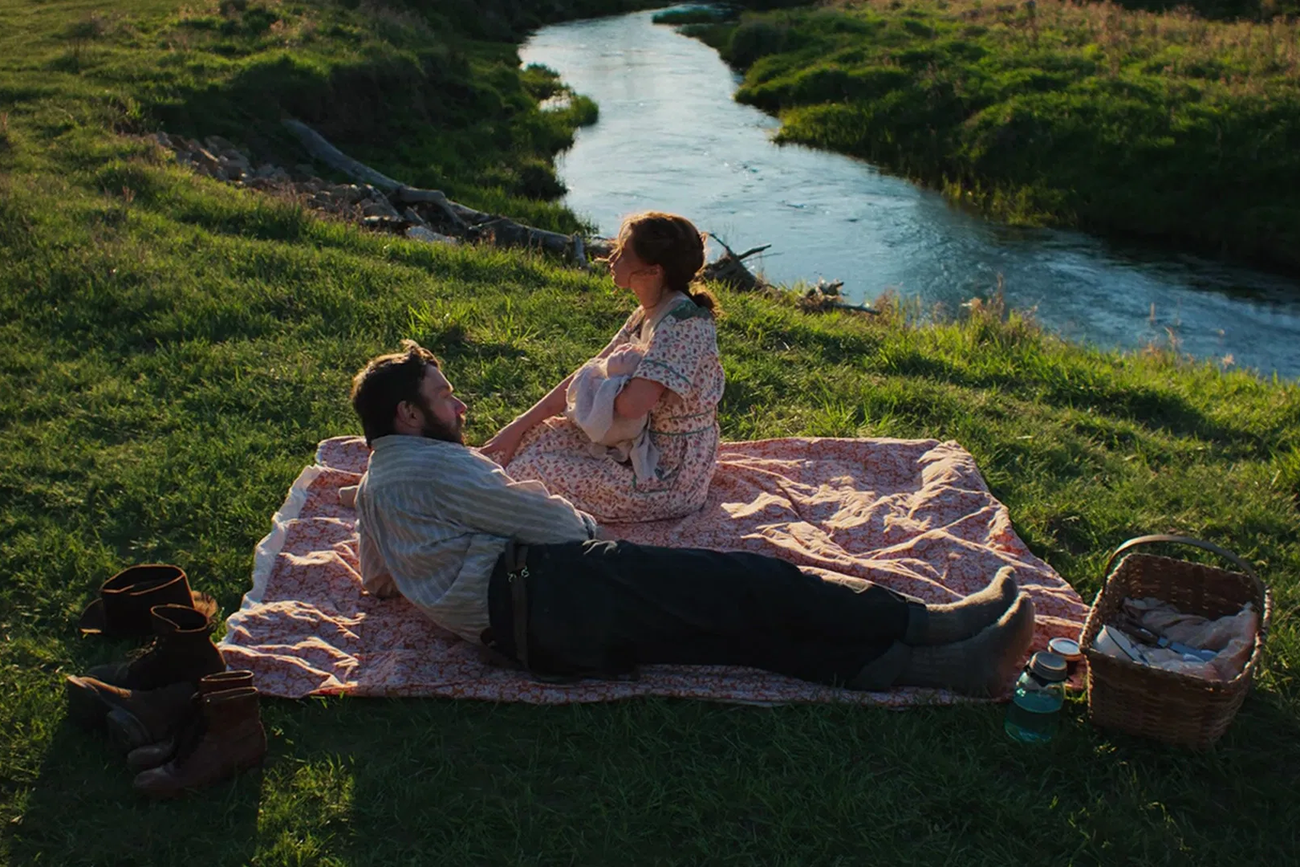
In a landscape of dense forests and newly laid tracks at the beginning of the 20th century, we follow the silent routine of a lumberjack who works to expand railroads across the United States, torn between exhausting physical effort and the desire to build a stable home. Orphaned from an early age, he belatedly finds affection in a woman with whom he forms a small family, but his work forces him to spend long periods away from his wife and daughter. The feeling of always being in transit also contaminates his inner life: the character lives between the guilt of someone who is never present and the enchantment of someone who discovers, almost with amazement, that he is capable of love. When a tragedy disrupts this fragile balance, the past begins to be revisited in fragments, as if each memory was engraved in the mountain landscape, in the bridges it helped build and in the trains that cross the region. The story constructs a deeply sensorial portrait of an ordinary man, exploring grief, memory and the passage of time with contemplative images that bring the roughness of manual labor closer to a kind of melancholic poetry.

Hi! I’m Renato Lopes, an electric vehicle enthusiast and the creator of this blog dedicated to the future of clean, smart, and sustainable mobility. My mission is to share accurate information, honest reviews, and practical tips about electric cars—from new EV releases and battery innovations to charging solutions and green driving habits. Whether you’re an EV owner, a curious reader, or someone planning to make the switch, this space was made for you.




Post Comment