the best movies of the actor
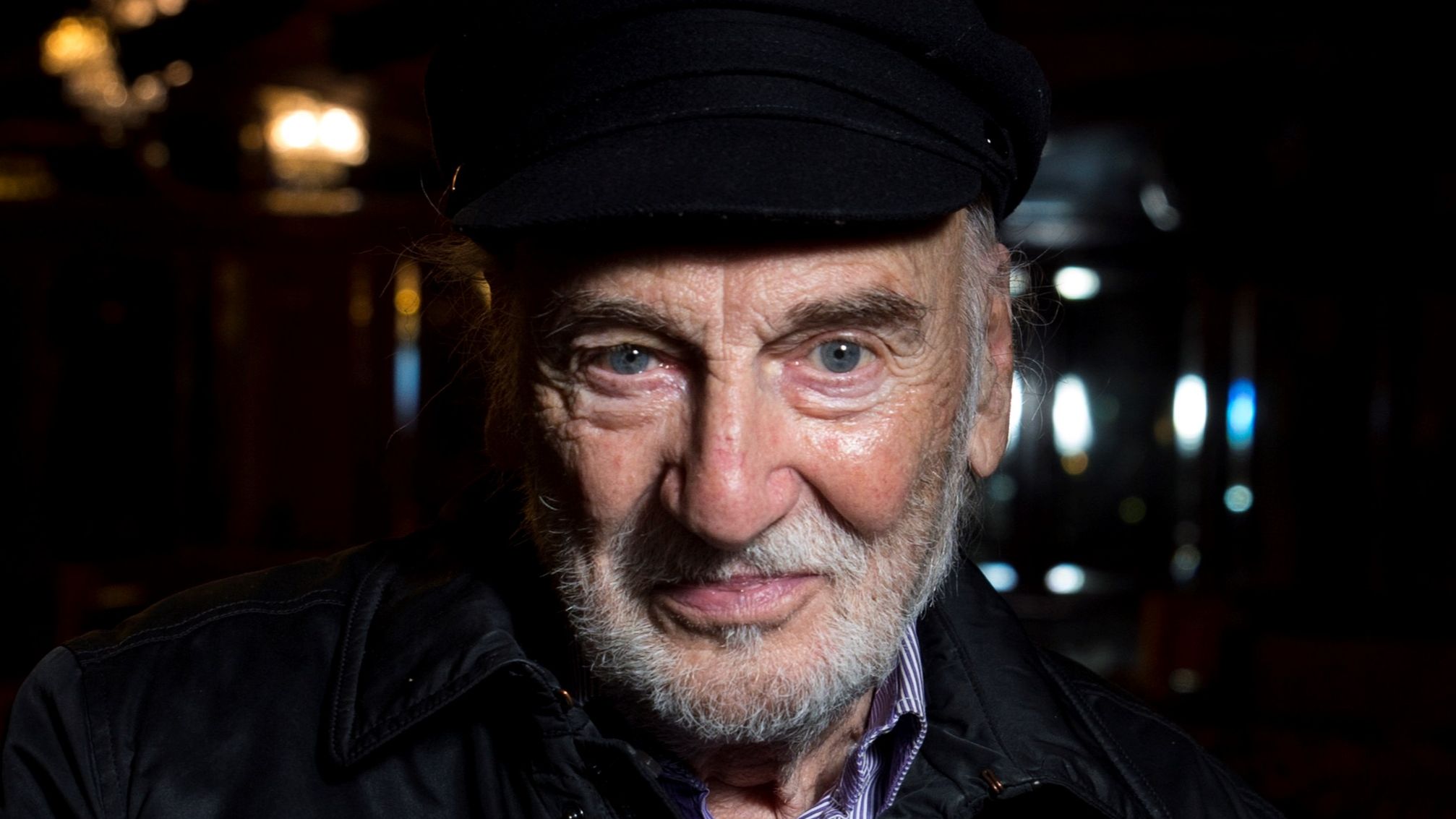
A phone call broke his life in two. Hector Alterio and, as a consequence, it also modified the history of Spanish and Argentine cinema. The actor, 45 years old at the time, was in Spain, at the 1974 San Sebastian Festival, promoting The trucethe first Argentine film nominated for an Oscar, when he learned by phone that the disastrous Triple A, the Argentine Anti-Communist Alliance, included his name in a statement: a full-fledged threat.
“I started to feel afraid from 13,000 km away. Fear of feeling watched or pointed at by a gun“, recalled the actor in an interview with RTVE in 2008. Alterio, like a tightrope walker, then walked on the edge of history: Argentina was heading towards the military dictatorship while Spain was still experiencing its throes of authoritarianism. He stayed in Spain, where he would raise his children Ernesto and Malena, and, in the explosion of artistic freedom after Franco’s death, he was taken advantage of by the cinema of the incipient Transition until he became one of its fundamental faces.
With his death, a pillar of both cinematography is lost: Alterio was key in the new Argentine cinema of the 60s and 70s, and he returned triumphantly to the southern country when the dictatorship faded in the 80s. He never left Spain and, although theater was his first, great, and last love, his talent remains forever linked to the images of many great films.
The rebellious Patagonia (1974)
Alterio began his career at the end of the first wave of new Argentine cinema of the 60s (he played Simón Bolivar in The Sword Saintby Leopoldo Torre Nilson) and linked to the second, of which he was the absolute protagonist.
None were as politically important as The rebellious Patagonia, of Hector Oliverawhere the repression of labor movements in the 1920s in the southern region of Argentina was recreated. Alterio plays the soldier in charge of evaluating the situation of the workers, with whom he empathizes, but who ends up being commissioned to carry out a massacre. In the emotional final scene, Alterio receives honors while experiencing guilt.
The film was approved by Juan Domingo Perón and later banned by Isabelita Perón. It triumphed at the Berlin festival, winning the Golden Bear, but it could not be screened again in Argentina until 1984 and its creators, and most of its cast, ended up exiled.
The truce (1974)
His last film from his first Argentine period is one of the great successes in the history of Argentine cinema. Directed by Sergio Renan and adaptation of the novel by Mario Benedetti, Alterio plays a worn-out office worker, a widower with three children, who regains his passion for life when he meets a younger woman. “His most heartfelt performance,” for the president of the Film Academy, Fernando Méndez Leite, was the definitive letter of introduction for Alterio in the world after the film’s nomination for an Oscar in non-English language.
To an unknown god (1977)
Elías Querejeta, one of the people that Alterio has always indicated as one of his main benefactors of his first exile (along with Núria Espert y Juan Diego), hired him for Jaime Chávarri’s film about a homosexual man who returns to his native Granada, where he attended Franco’s repression in the Civil War as a child.
Alterio quickly learned to adapt his Buenos Aires accent to the new Spanish cinema and was awarded the Silver Shell for best actor at the 1977 San Sebastián Festival.
Pending subject (1977)
Jose Luis Garci was the filmmaker who best portrayed the first adult generation of democracy and Apending signature the key to the cinema of the Transition. After the story of the reunion of a youthful love between José Sacristán and Fiorella Faltoyano, the political climate at the end of the Franco regime palpitated: Alterio played a copy of Marcelino Camacho, imprisoned, who was visited by his lawyer played by Sacristán. In Argentina, immersed in the military dictatorship, the film was released mutilated, without Alterio’s scenes.
Spanish version – Pending subject
The nest (1980)
The movie of Jaime de Armiñán, also nominated for the Oscar for best foreign language film, it was uncomfortable then and it is even more so now. Alterio played an orchestra director who fell in love, platonically, with a 13-year-old girl played by Ana Torrent (who just four years before played Alterio’s daughter in Cría Cuervos), although the background is much more subtle than its disturbing starting point. The nest may be the best film of its director, who would once again have Alterio for My generationl, in 1987.
Movie days – Home cinema: ‘El Nido’
The Cuenca crime (1979)
In a rhyme with The rebellious PatagoniaPilar Miró’s film about a case of gruesome torture and murder by the Civil Guard at the beginning of the 20th century was censored by the UCD Minister of Culture, Ricardo de la Cierva, and could not be released until two years later, when it was authorized by the Supreme Court.
Alterio played Judge Emilio Isasa, responsible for reopening the summary that would lead to the arrest and conviction, after horrendous torture, of two men for the murder of a man who had not even died.
The official story (1985)
Or the Argentine tragedy condensed into a drama about a woman (Norma Aleandro) who begins to suspect that her adopted daughter has been stolen by her military husband (Héctor Alterio).
The first Argentine film to win the Oscar, directed by Luis Puenzo, is a film with a script and actors, where the pressure cooker explodes in the final scene, one of the most shocking in Spanish-language cinema, in which Alterio, until then an attentive father and husband, explodes violently hitting his wife when he is confronted about the origin of his daughter.
The bride’s son (2001)
Another key title in Argentine cinema (with a new Oscar nomination included), which marked the reunion of Alterio with Norma Aleandro, and a triumph for its director and screenwriter Juan José Campanella. The protagonist, Ricardo Darín, is a man stressed by his obligations who finds calm by organizing the wedding of his mother, who is sick with Alzheimer’s, with his father, played by Alterio.

Hi! I’m Renato Lopes, an electric vehicle enthusiast and the creator of this blog dedicated to the future of clean, smart, and sustainable mobility. My mission is to share accurate information, honest reviews, and practical tips about electric cars—from new EV releases and battery innovations to charging solutions and green driving habits. Whether you’re an EV owner, a curious reader, or someone planning to make the switch, this space was made for you.


Post Comment